
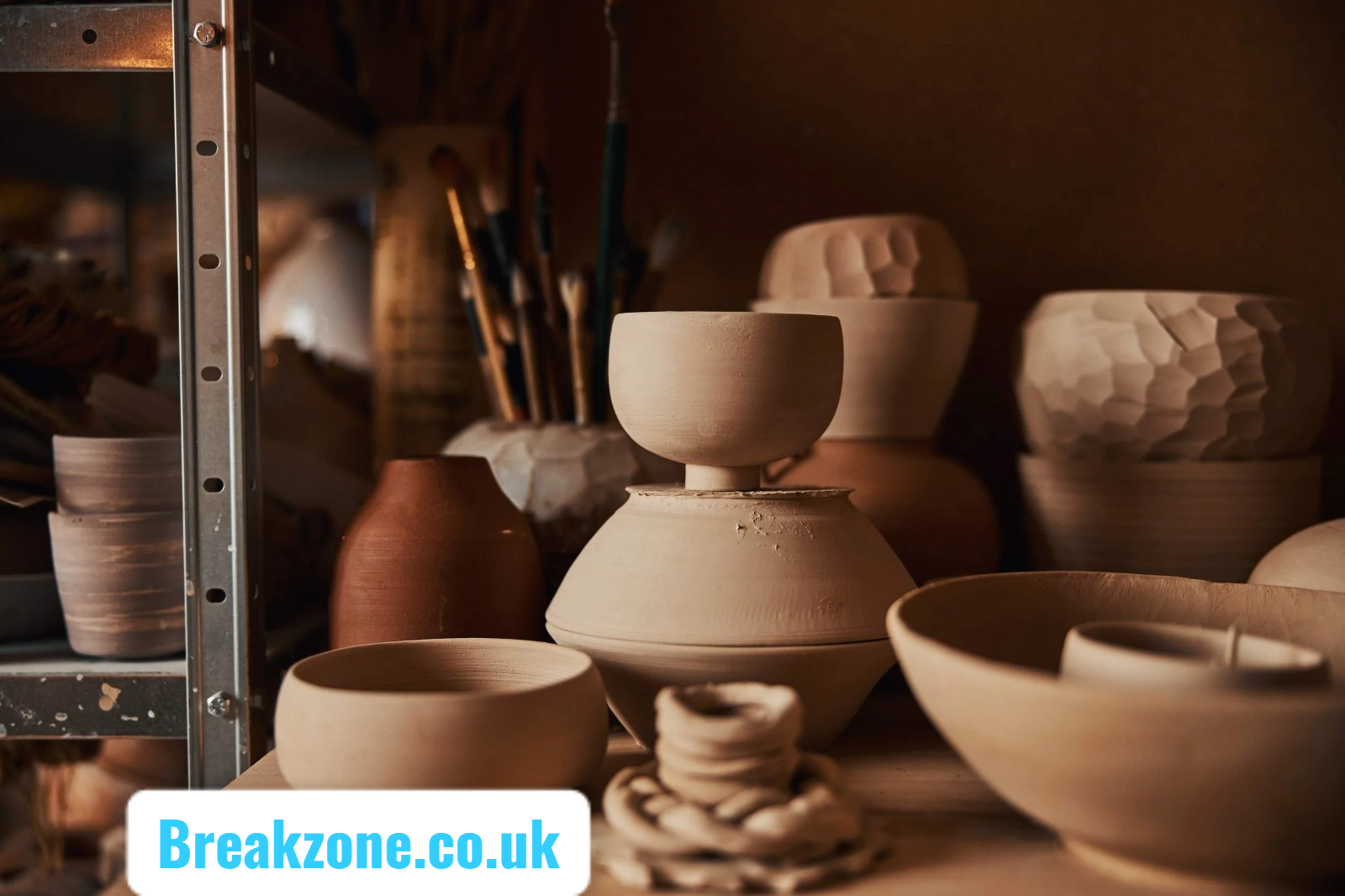
Sodiceram is an advanced sodium-infused ceramic engineered for exceptional strength, heat resistance, and durability. It is transforming industries such as aerospace, electronics, automotive, and medical devices by offering superior performance in extreme environments. This guide explores its composition, key properties, applications, and future innovations, helping engineers and decision-makers understand why sodiceram is a cutting-edge material for modern industrial solutions.
Sodiceram represents a major innovation in engineered ceramics. By combining sodium infusion with high-performance ceramic engineering, it achieves unmatched thermal stability, mechanical strength, and chemical resistance. This article delves into sodiceram’s composition, manufacturing techniques, and diverse industrial applications, including aerospace, electronics, and medical devices. Readers will gain insights into its advantages over traditional ceramics, production challenges, environmental impact, and future developments. Whether for industrial engineers, researchers, or material science enthusiasts, this comprehensive guide explains why sodiceram is becoming a critical material in modern industries and how it continues to revolutionize performance, durability, and sustainability in demanding applications.
Introduction to Sodiceram and Its Significance
Sodiceram is a next-generation sodium-infused ceramic designed for high performance in extreme environments. Unlike conventional ceramics, it combines sodium integration with engineered microstructures to deliver superior mechanical strength, thermal stability, and chemical resistance. Its unique properties make it ideal for critical industrial applications where traditional materials fail. Researchers and engineers are increasingly adopting sodiceram for components that require long-term durability, resistance to thermal shocks, and reliable performance in corrosive or high-stress conditions. Its development marks a significant step forward in materials science, offering solutions that meet modern industry demands.
Composition and Advanced Manufacturing Techniques
The composition of sodiceram includes high-purity ceramic powders blended with sodium compounds, carefully processed to optimize crystalline structure. Manufacturing techniques such as powder metallurgy, controlled sintering, and additive manufacturing ensure uniformity, density, and minimal porosity. Advanced controls in temperature and pressure allow precise engineering of microstructures, enhancing mechanical and thermal properties. Compared to traditional ceramics, these processes create a material that withstands higher stresses and extreme temperatures. Understanding the production methods provides insight into why sodiceram can outperform conventional materials while supporting complex, high-performance applications.
Exceptional Mechanical Strength and Durability
Mechanical strength is one of sodiceram’s standout characteristics. Its engineered crystalline lattice and reinforced grain boundaries provide resistance against cracking, wear, and compression. Unlike metals that may deform under repeated stress, sodiceram maintains integrity even in high-pressure environments. This durability reduces maintenance costs and improves reliability in industrial machinery, aerospace components, and electronic devices. Industries requiring high-strength materials benefit from sodiceram’s ability to endure repeated mechanical loads without structural compromise, making it a reliable choice for high-performance and long-life applications.
Superior Thermal Resistance and Stability
Sodiceram excels in thermal performance, capable of withstanding extreme temperatures without significant deformation. Its low thermal expansion reduces stress caused by rapid temperature fluctuations, preventing cracks and failures. These properties are critical for turbine components, heat shields, and other high-temperature industrial parts. The material’s thermal stability ensures long-term performance, even under repeated exposure to heat cycles. Researchers continue to explore modifications that could further increase temperature thresholds, making sodiceram even more suitable for advanced aerospace, energy, and industrial applications.
Chemical Inertness and Corrosion Resistance
One of the most important features of sodiceram is its chemical inertness. It resists corrosion, oxidation, and chemical attacks that commonly affect metals and traditional ceramics. This property allows it to function reliably in aggressive industrial environments, including chemical processing, marine applications, and high-humidity conditions. Its resistance to degradation extends component lifespan and reduces maintenance frequency. Engineers leverage this property to improve system reliability while minimizing replacement costs, positioning sodiceram as a material of choice for industries that prioritize chemical stability and long-term performance.
Applications in Aerospace Engineering
Aerospace applications demand materials that can endure extreme conditions while maintaining low weight. Sodiceram’s combination of strength, thermal resistance, and corrosion stability makes it ideal for turbine blades, nozzles, and thermal insulation panels. Its lightweight nature helps improve fuel efficiency without compromising structural integrity. Engineers increasingly adopt sodiceram to enhance safety, reduce wear, and optimize the performance of aerospace components. Continued research focuses on optimizing compositions and processing methods to further improve performance and reduce manufacturing costs, expanding its use in advanced aerospace systems.
Also read this: Who is Michelle Gumbel: Complete Life and Legacy of Greg Gumbel’s Daughter
Automotive Industry Applications
In the automotive sector, sodiceram is used to enhance engine efficiency, brake components, and wear-resistant parts. Its thermal resistance allows engines and braking systems to operate at higher temperatures with improved durability. The material also reduces maintenance requirements due to its wear-resistant nature. As the industry shifts toward high-performance and electric vehicles, sodiceram can play a crucial role in producing lightweight, long-lasting components capable of withstanding thermal and mechanical stresses, ultimately improving performance and reliability.
Medical and Biomedical Uses
Sodiceram’s biocompatibility opens doors for medical and biomedical applications. Surgical tools, implants, and prosthetic devices benefit from its resistance to sterilization processes, wear, and chemical degradation. Joint replacements and dental implants made from sodiceram demonstrate extended lifespans compared to traditional ceramics. The material’s stability ensures patient safety while maintaining structural performance. Ongoing research explores further enhancements, including surface modifications for improved bone integration and bioactivity, making sodiceram a promising material in advanced medical technologies.
Electronic Components and Dielectric Applications
Sodiceram is increasingly used in electronic components due to its excellent dielectric properties. It functions effectively as insulators, capacitors, and semiconductor substrates, maintaining performance at high frequencies and temperatures. Its stability supports next-generation electronics, including high-speed computing, communication devices, and compact, miniaturized components. By integrating sodiceram, manufacturers achieve enhanced thermal management, improved durability, and longer product lifespans. Its adoption in electronics continues to grow as devices demand high-performance materials capable of withstanding extreme operational conditions.
Environmental Benefits and Sustainability
While sodiceram production requires energy-intensive processes, its long-term durability reduces waste and frequent replacements, supporting sustainability. Its chemical inertness prevents environmental contamination, and research is ongoing to reduce carbon footprint during production. Using sodiceram can lower overall lifecycle environmental impact compared to conventional metals and ceramics. Industries seeking eco-friendly solutions increasingly consider it a viable option, combining high performance with sustainability goals. Future developments aim to further improve energy efficiency in manufacturing and expand recycling possibilities for sodiceram components.
Challenges in Production and Implementation
Despite its advantages, sodiceram faces challenges in widespread adoption. Production complexity and high costs limit availability, and its brittleness under specific stress conditions requires careful design considerations. Engineers must also employ specialized machining techniques. Research in additive manufacturing, sintering improvements, and nanotechnology aims to overcome these obstacles, potentially reducing costs and increasing accessibility. Understanding these challenges is essential for industries planning to integrate sodiceram into critical applications while balancing performance, cost, and feasibility.
Comparing Sodiceram to Conventional Ceramics
Compared to traditional ceramics, sodiceram delivers superior thermal performance, strength, and chemical resistance. Conventional ceramics are often cheaper and easier to produce but may fail under high stress or temperature conditions. Sodiceram’s engineered composition allows it to outperform standard materials in industrial, aerospace, and medical applications. Knowledge of these differences helps engineers select the most appropriate material based on application requirements, performance needs, and long-term durability considerations.
Future Trends and Innovations
Research into sodiceram continues to focus on improving toughness, enhancing thermal and chemical resistance, and integrating nanomaterials. Innovations in additive manufacturing and surface engineering may expand its applications and reduce costs. Emerging sectors like renewable energy, advanced electronics, and bioengineering stand to benefit from next-generation sodiceram technologies. As global demand for high-performance, long-lasting materials increases, sodiceram is poised to become a cornerstone of industrial innovation.
Practical Tips for Engineers and Buyers
When considering sodiceram, engineers should evaluate environmental conditions, mechanical requirements, and thermal performance needs. Work with suppliers offering detailed material specifications and support for design integration. Specialized machining and handling may be necessary due to material hardness and brittleness. Planning ahead ensures efficient implementation and maximizes the material’s advantages. Collaboration with experienced manufacturers or consultants can help ensure optimal performance and cost-effectiveness for industrial applications.
Conclusion
Sodiceram represents a leap forward in ceramic technology. Its unique combination of sodium infusion, thermal resistance, mechanical strength, and chemical stability makes it invaluable across industries like aerospace, electronics, automotive, and medical devices. While challenges in production and cost exist, ongoing research and innovation are expanding its applications. By understanding its benefits, limitations, and practical usage, engineers and decision-makers can leverage sodiceram to revolutionize performance, sustainability, and durability in modern industrial applications.
FAQs About Sodiceram
1. What is sodiceram used for?
It is used in high-temperature, high-stress applications across aerospace, electronics, automotive, and medical devices.
2. Is sodiceram better than traditional ceramics?
Yes, in thermal resistance, chemical stability, and mechanical strength, though it may cost more.
3. Can sodiceram be 3D printed?
Yes, additive manufacturing is being explored to shape complex sodiceram components.
4. Is sodiceram environmentally friendly?
Its durability reduces replacements, but production can be energy-intensive; eco-friendly techniques are being developed.
5. Where can I buy sodiceram?
Specialized industrial ceramic suppliers and material science distributors sell it.
6. Does sodiceram resist corrosion?
Yes, it has excellent chemical and corrosion resistance for extreme environments.
7. Can sodiceram be used in electronics?
Yes, especially for dielectric components, insulators, and high-frequency applications.
Fore more info: Breakzone.co.uk
