
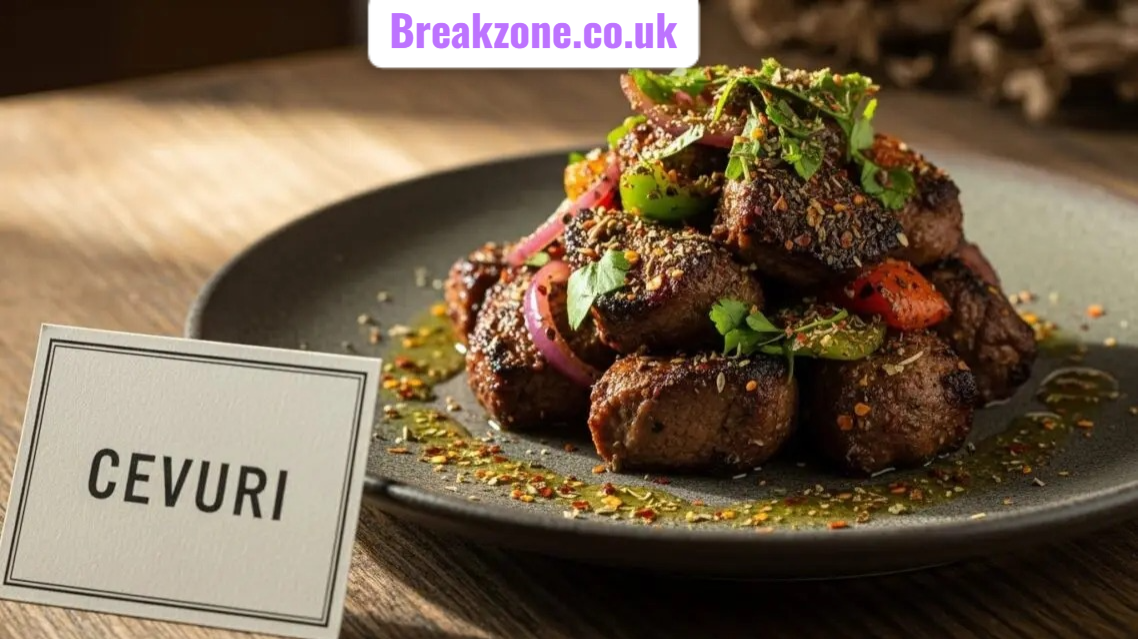
Cevurı is a classic Turkish dish made from tender lamb and beef, marinated with spices and slow-cooked to perfection. Known for its rich aroma and cultural significance, it is often served at family gatherings and festive occasions. Combining centuries-old traditions with modern cooking methods, Cevurı delivers deep, savory flavors that highlight Turkey’s culinary heritage while remaining accessible for home cooking.
Cevurı is a traditional Turkish delicacy featuring a blend of lamb and beef infused with aromatic spices. This dish represents Turkey’s rich culinary history and is celebrated for its tender texture and complex flavor. Typically slow-cooked or roasted, Cevurı can be enjoyed at family meals, special occasions, or as a gourmet treat. In this guide, you’ll explore its history, ingredients, preparation techniques, regional variations, and serving suggestions, allowing you to make an authentic Turkish dish in your own kitchen while preserving its traditional essence.
Introduction to Cevurı
Cevuri is a concept or topic that focuses on understanding and applying modern techniques in computing and technology. It helps learners develop problem-solving skills and logical thinking that are important in the field of computer science. By studying Cevuri, students can gain knowledge about how systems work, how information is processed, and how technology can be used to solve real-world problems. It plays an important role in improving technical abilities and preparing individuals for careers in the rapidly growing digital world.
Historical Background of Cevurı
The origins of Cevurı trace back to Anatolia, where pastoral communities relied on lamb and beef for sustenance. Traditionally, it was prepared during harvest festivals and family celebrations, reflecting communal customs and hospitality. Over centuries, regional variations emerged, each with unique spices and cooking methods. Despite these differences, the dish retained its essential essence: slow-cooked meat infused with aromatic spices. Today, Cevurı remains a symbol of Turkey’s rich culinary heritage, representing both the ingenuity and tradition of generations of home cooks and professional chefs alike.
Essential Ingredients for Cevurı
To make authentic Cevurı, high-quality lamb and beef are essential. The meat should be fresh, tender, and evenly cut to ensure even cooking. Traditional spices include paprika, cumin, black pepper, and garlic, often combined with olive oil or yogurt for marination. Onions, tomatoes, and fresh herbs like parsley or thyme enhance flavor and aroma. These ingredients work together to create a balanced dish that is rich, savory, and deeply flavorful, showcasing the traditional tastes of Turkish cuisine in every bite.
Preparing the Meat Properly
Proper preparation begins with trimming excess fat and cutting meat into uniform pieces. Marination is key: blending spices, olive oil, yogurt, and sometimes lemon juice allows flavors to penetrate deeply. Resting the meat for several hours or overnight ensures tenderness.
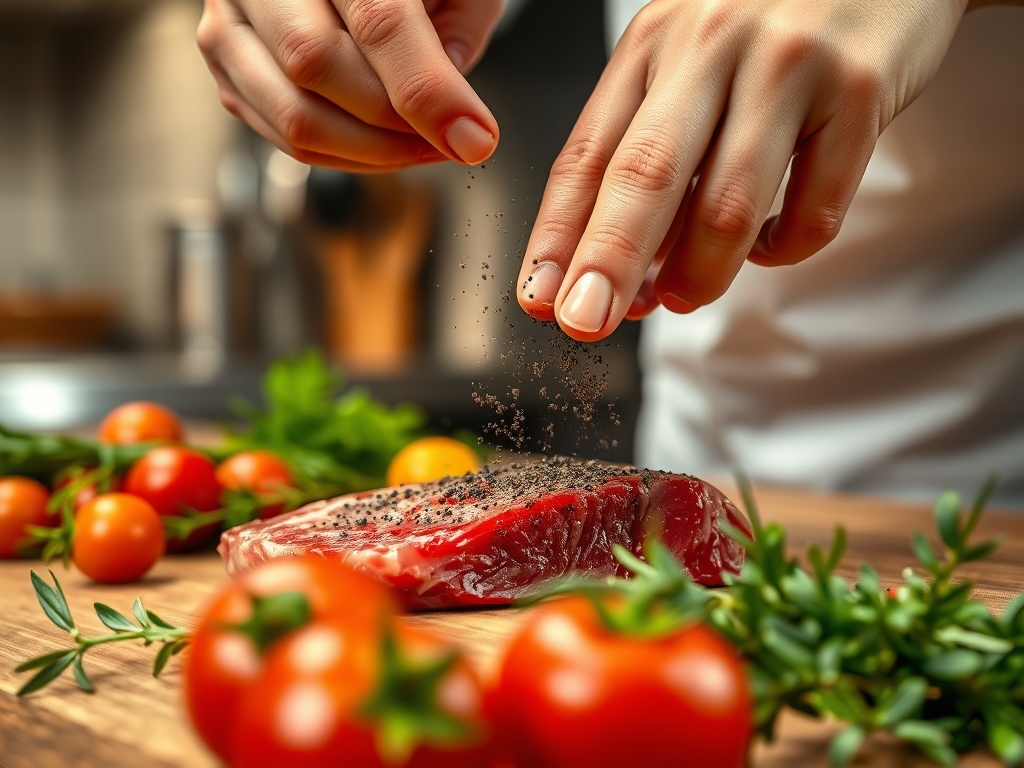
Some recipes also include searing the meat before cooking to lock in juices. Attention to these steps is critical; the meat should emerge tender, flavorful, and aromatic. Proper preparation transforms Cevurı from a simple combination of meats into a dish that reflects Turkish culinary expertise.
Traditional Cooking Methods
Cevurı is typically slow-roasted or cooked over low heat to develop deep flavors. In some regions, it is skewered and roasted over open flames, imparting a smoky aroma. Clay ovens or stovetop simmering are also common methods. Slow cooking allows the meat to remain juicy while absorbing spices. Regular basting enhances flavor, ensuring every bite is tender and aromatic. Mastering these cooking techniques is crucial for achieving authentic Cevurı, producing meat that melts in the mouth while retaining the rich taste of Turkish spices.
Also read this: Flowxd Ultimate Guide to Powerful Digital Workflow Automation and Productivity
Regional Variations of Cevurı
Across Turkey, Cevurı takes on regional nuances. In Anatolia, yogurt-based marinades are common, while coastal areas favor olive oil and fresh herbs. Spice combinations vary: some regions prefer hot paprika, others use Aleppo pepper. These variations reflect local ingredients, taste preferences, and culinary traditions. Despite these differences, all versions focus on creating tender, flavorful meat. Exploring regional recipes allows cooks to appreciate the diversity of Turkish cuisine while maintaining the dish’s traditional essence.
Serving Suggestions
Cevurı is often paired with side dishes that complement its richness. Popular accompaniments include rice pilaf, bulgur, roasted vegetables, or fresh salads. Yogurt-based sauces or tzatziki balance the spices and add creaminess. For special occasions, garnishes like fresh herbs or roasted nuts enhance presentation. Fresh bread and a light red wine can elevate the experience. Thoughtful pairing ensures that the full spectrum of flavors is enjoyed, reflecting Turkish culinary philosophy and creating a memorable dining experience.
Tips for Making Cevurı at Home
To perfect Cevurı at home, select fresh lamb and beef with minimal fat. Marinate for at least 4–6 hours to allow the spices to penetrate. Maintain low, consistent heat while cooking to preserve tenderness. Occasional basting helps retain juices. Experimenting with regional spices is encouraged but avoid over-seasoning. Following these tips ensures that homemade Cevurı rivals traditional preparations, delivering a flavorful, tender, and aromatic dish that brings the essence of Turkey into your kitchen.
Common Mistakes to Avoid
Overcooking is the most common mistake, leading to tough meat. Skipping marination reduces flavor intensity. Unevenly cut meat cooks inconsistently, while too much fat can make the dish greasy. Using stale spices can dull the aroma and taste. Avoiding these pitfalls preserves the dish’s authenticity and tenderness. Careful attention to ingredient quality, preparation, and cooking technique ensures that your Cevurı remains a true representation of Turkish culinary tradition.
Health Benefits of Cevurı
Cevurı is rich in protein, supporting muscle growth and overall nutrition. Spices like garlic, cumin, and paprika offer antioxidants and anti-inflammatory properties. Using moderate fat levels and olive oil improves heart health. When paired with vegetables or whole grains, it becomes a balanced meal. While indulgent, traditional Cevurı is healthier than many processed meat dishes. Enjoying it in moderation provides essential nutrients while preserving authentic flavor, making it both delicious and nutritious.
Beverage Pairings for Cevurı
Pairing beverages enhances the Cevurı experience. Light red wines such as Kalecik Karası or Merlot complement the richness of the meat. Non-alcoholic options like ayran, mint tea, or sparkling water balance spices and refresh the palate.

Proper pairing highlights the dish’s flavor profile and aroma, making the meal more enjoyable. Traditional Turkish dining emphasizes harmony between food and drink, ensuring a full sensory experience that complements the robust, aromatic nature of Cevurı.
Modern Adaptations of Cevurı
Modern chefs experiment with Cevurı by incorporating fusion spices or advanced cooking techniques like sous-vide. Some present it with gourmet sides or creative plating, appealing to contemporary tastes. Despite these innovations, traditional slow-cooked recipes remain highly respected. Modern adaptations help introduce Cevurı to a global audience, preserving cultural heritage while evolving the dish for today’s culinary trends. This blend of tradition and innovation keeps Cevurı relevant, accessible, and appreciated by both locals and international food enthusiasts.
Conclusion
Cevurı, a traditional Turkish lamb and beef dish, is a flavorful meal that highlights the rich culinary heritage of Turkey. With its tender meat, aromatic spices, and simple cooking method, it creates a delicious and satisfying dish. When prepared properly, its rich taste and aroma make it enjoyable for everyone. This dish is perfect for sharing with family and friends and represents the warmth and tradition of Turkish cuisine.
FAQs About Cevurı
What is Cevurı?
Cevurı is a traditional Turkish dish made with lamb and beef, cooked with spices and sometimes vegetables to create a rich and flavorful meal.
What type of meat is best for Cevurı?
The best Cevurı uses a combination of tender lamb and beef, as the lamb provides rich flavor while the beef adds texture.
Can I make Cevurı without lamb?
Yes, you can prepare Cevurı using only beef or even chicken, though traditional recipes usually include lamb for authentic flavor.
What spices are commonly used in Cevurı?
Common spices include black pepper, paprika, cumin, garlic, and salt, which give the dish its signature Turkish taste.
What is Cevurı usually served with?
Cevurı is typically served with rice, flatbread, or fresh salad, and sometimes yogurt to balance the rich flavors.
Fore more info: Breakzone.co.uk
