
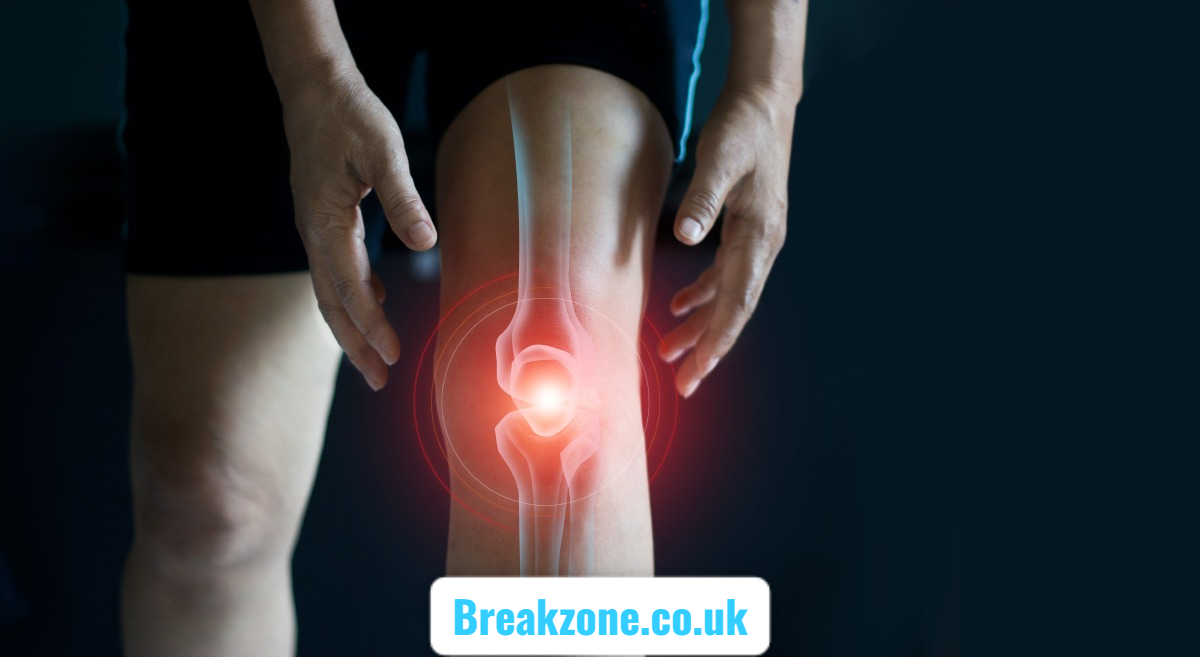
Attrities is a medical condition that causes joint pain, stiffness, and inflammation, often due to age, genetics, or lifestyle factors. Symptoms include swelling, reduced mobility, and discomfort in knees, hips, or hands. Treatment combines medications, physical therapy, lifestyle changes, and natural remedies. Early detection, exercise, and a balanced diet can help manage symptoms effectively and prevent further joint damage.
Attrities is a common joint disorder that leads to pain, swelling, and inflammation, affecting people of all ages, especially older adults. This article explains the causes, symptoms, and effective treatments of attrities, including both conventional medicine and natural remedies. Readers will learn how lifestyle, diet, and exercise play a crucial role in managing joint health. By understanding risk factors, preventive strategies, and treatment options, anyone can reduce pain, improve mobility, and prevent further joint complications. This comprehensive guide is designed to provide accurate, easy-to-understand information for teenagers and adults seeking to manage or prevent attrities.
Introduction to Attrities
Attrities is a condition characterized by inflammation and degeneration of the joints, leading to pain, stiffness, and limited mobility. It often affects knees, hips, hands, and other weight-bearing joints. While it can occur at any age, older adults are more susceptible due to natural wear and tear of cartilage. The condition is influenced by factors like genetics, lifestyle, and previous injuries. Understanding attrities is essential for early detection, effective treatment, and preventing long-term joint damage, which can significantly impact daily life and physical activity.
Understanding Joint Inflammation and Its Connection to Attrities
Joint inflammation is the body’s natural response to injury, infection, or chronic stress, leading to redness, swelling, and pain. In attrities, the inflammation results from cartilage breakdown and friction between bones. Over time, this can worsen joint function and increase discomfort. Chronic inflammation not only affects mobility but can also trigger secondary conditions like bursitis or tendonitis. Recognizing the link between joint inflammation and attrities helps in implementing early interventions, such as anti-inflammatory treatments, exercise, and dietary changes that reduce swelling and protect joint health.
Common Causes of Attrities and Triggering Factors
Attrities can result from multiple factors. Aging naturally thins cartilage, reducing its ability to cushion joints. Genetic predisposition plays a significant role, making some individuals more prone to joint degeneration. Lifestyle factors, including obesity, sedentary behavior, and repetitive joint stress, also increase risk. Injuries from sports or accidents can accelerate attrities development. Hormonal changes and chronic medical conditions, like diabetes or autoimmune disorders, may further contribute. Identifying the cause is crucial for effective treatment and prevention strategies, ensuring better long-term joint health.
Early Signs and Symptoms of Attrities
Recognizing early symptoms can prevent severe joint damage. Common signs include persistent joint pain, stiffness after inactivity, swelling, and tenderness. Some people may notice reduced flexibility, creaking or grinding sounds, and difficulty performing daily tasks like walking, climbing stairs, or gripping objects. Morning stiffness that eases with activity is typical, and flare-ups often worsen after physical exertion. Early detection allows timely interventions, such as exercises, medications, and lifestyle modifications, helping to slow disease progression and maintain a higher quality of life.
How Attrities Affects Different Joints in the Body
Attrities can affect various joints differently. Knee and hip joints often bear the most weight, making them prone to pain and mobility issues. Hands and fingers may experience swelling, stiffness, and reduced grip strength. Shoulder and spine involvement can limit flexibility and posture. Each joint’s symptoms impact daily activities uniquely, requiring targeted treatments like physical therapy, joint supports, or medications. Understanding how attrities manifests in different areas helps patients and healthcare providers create personalized management plans for pain relief and functional improvement.
Also read this: Ultimate Guide to Understanding URLWO Meaning, Uses, and SEO Impact
Risk Factors That Increase the Likelihood of Attrities
Certain factors make attrities more likely, including age, genetics, obesity, previous joint injuries, and repetitive movements. Women are generally more susceptible due to hormonal influences. Sedentary lifestyles weaken muscles supporting joints, while high-impact sports increase wear and tear. Poor nutrition and lack of essential vitamins and minerals may exacerbate joint degeneration. Identifying these risk factors allows proactive measures, including diet adjustments, exercise routines, and preventive therapies, to reduce the likelihood of developing severe joint inflammation and pain.
The Role of Age and Lifestyle in Joint Health
Aging naturally reduces cartilage resilience, making joints more vulnerable to attrities. Lifestyle choices significantly influence progression. Regular exercise strengthens muscles, improves flexibility, and reduces joint stress. Maintaining a healthy weight lessens pressure on knees and hips. Balanced nutrition, including calcium, vitamin D, and omega-3 fatty acids, supports bone and joint health. Avoiding smoking and limiting alcohol intake also reduces inflammation risks. Combining these lifestyle adjustments with proper medical care can prevent or slow attrities progression, helping maintain mobility and a higher quality of life.
Diagnosing Attrities: Tests and Medical Assessments
Doctors diagnose attrities through a combination of physical exams, patient history, and imaging tests. X-rays reveal joint space narrowing and cartilage loss, while MRI scans show soft tissue damage. Blood tests may rule out autoimmune conditions like rheumatoid arthritis. Early diagnosis allows targeted treatments, reducing pain and preventing further damage. Consulting healthcare providers promptly when experiencing joint discomfort ensures accurate evaluation and effective management plans, including medications, therapy, or lifestyle interventions tailored to individual needs.
Conventional Treatments for Managing Attrities Effectively
Medical treatments focus on relieving pain, reducing inflammation, and improving joint function. Common options include nonsteroidal anti-inflammatory drugs (NSAIDs), corticosteroid injections, and disease-modifying medications. In severe cases, surgical interventions like joint replacement may be necessary. Physical therapy strengthens muscles, improves flexibility, and supports mobility. Combining medication with therapy ensures better long-term outcomes. Regular monitoring by healthcare professionals is essential to adjust treatments based on symptom progression and response, helping patients maintain active lifestyles and prevent complications.
Natural Remedies and Lifestyle Changes to Reduce Joint Pain
In addition to conventional treatments, natural approaches can help manage attrities. Anti-inflammatory diets rich in fish, nuts, fruits, and vegetables reduce swelling. Supplements like glucosamine, chondroitin, and omega-3 fatty acids may support joint health. Low-impact exercises, yoga, and swimming improve flexibility and reduce pain. Heat or cold therapy relieves stiffness and inflammation. Adequate rest, stress management, and maintaining a healthy weight further enhance joint function. Integrating natural remedies with medical care provides a holistic approach to managing attrities effectively.
Exercises and Physical Therapy for Joint Mobility
Regular exercise helps preserve joint function and reduce pain. Low-impact activities like walking, cycling, swimming, and stretching strengthen muscles without overloading joints. Physical therapists design personalized routines targeting affected areas, improving flexibility, balance, and range of motion. Strengthening surrounding muscles reduces stress on joints, preventing further damage. Consistency is key, and combining exercise with proper posture and ergonomics enhances long-term benefits. Guided physical therapy ensures safe, effective management of attrities and promotes overall mobility and quality of life.
Dietary Recommendations for People with Attrities
A balanced diet supports joint health and reduces inflammation. Foods rich in omega-3 fatty acids, antioxidants, vitamins C and D, and calcium are particularly beneficial. Incorporating fish, leafy greens, nuts, and whole grains while limiting processed foods, sugar, and trans fats helps manage symptoms. Staying hydrated maintains joint lubrication, and maintaining a healthy weight reduces pressure on knees, hips, and spine. Nutritional strategies, combined with lifestyle changes and medical care, play a crucial role in managing attrities effectively and improving overall well-being.
Preventive Measures to Avoid Joint Inflammation
Preventing attrities involves maintaining joint health through exercise, proper diet, and weight management. Avoid repetitive joint strain, use ergonomic equipment, and practice safe lifting techniques. Early detection of minor symptoms allows timely interventions. Regular medical check-ups, strength training, and flexibility exercises strengthen joints and reduce inflammation risk. Adopting these preventive measures minimizes the likelihood of severe attrities, ensuring long-term mobility, reduced pain, and a better quality of life.
Long-Term Complications of Untreated Attrities
Ignoring attrities can lead to severe joint damage, chronic pain, reduced mobility, and decreased quality of life. Weight-bearing joints like knees and hips may become deformed, and daily activities may become difficult or impossible. Untreated inflammation can trigger secondary conditions, including tendonitis, bursitis, and muscle weakness. Early diagnosis and consistent management are critical to preventing these complications. Timely treatment ensures preserved joint function, less pain, and an active, independent lifestyle for the long term.
Frequently
1. What is the main cause of attrities?
Attrities is mainly caused by aging, joint wear and tear, genetics, and lifestyle factors like obesity and sedentary habits.
2. Can teenagers develop attrities?
Yes, while less common, teenagers can develop attrities due to injuries, genetic predisposition, or autoimmune disorders.
3. How can I reduce joint pain naturally?
Low-impact exercises, anti-inflammatory diets, omega-3 supplements, and heat or cold therapy can help relieve pain.
4. Is attrities curable?
There is no permanent cure, but treatments and lifestyle changes can effectively manage symptoms and slow progression.
5. Which joints are most affected by attrities?
Knees, hips, hands, and shoulders are commonly affected, but it can impact any joint in the body.
6. Are medications necessary for attrities?
Medications like NSAIDs or corticosteroids can relieve pain, but lifestyle changes and therapy are equally important.
7. Can exercise worsen attrities?
High-impact or repetitive movements may worsen symptoms; low-impact exercises and physical therapy are recommended.
Conclusion & Call-to-Action
Attrities is a manageable condition with proper care, combining medical treatments, natural remedies, diet, and exercise. Early detection, preventive measures, and consistent management reduce pain, preserve mobility, and improve quality of life. Understanding the causes, symptoms, and treatment options empowers individuals to take control of their joint health. Take action today: consult a healthcare professional if you experience joint pain and start integrating lifestyle changes to protect your joints for the future.
Fore more info: Breakzone.co.uk
