
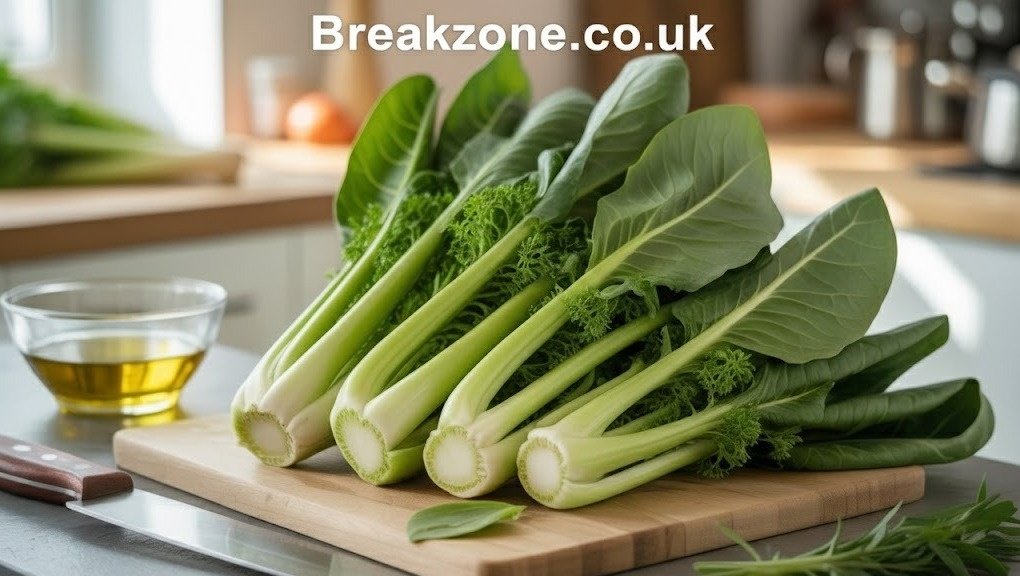
Crocolini is a tender, miniaturized version of broccoli with delicate stems and a mild flavor, perfect for steaming, roasting, or stir-frying. Rich in vitamins, antioxidants, and fiber, it supports heart and digestive health. Its small size cooks faster than regular broccoli while retaining a sweet, nutty taste, making it ideal for quick, nutritious meals or creative gourmet dishes.
Crocolini, often called baby broccoli, is a versatile vegetable prized for its tender stems and delicate flavor. Unlike regular broccoli, crocolini offers faster cooking times and enhanced sweetness, making it perfect for steaming, roasting, and sautéing. Packed with vitamin C, fiber, and antioxidants, it promotes overall wellness. This article explores everything from selecting fresh crocolini at markets to preparation techniques, health benefits, and creative recipe ideas, ensuring readers can enjoy this nutritious vegetable in multiple ways while maximizing flavor and nutrients.
Understanding Crocolini and Its Unique Nutritional Benefits
Crocolini is a hybrid vegetable that combines the best qualities of broccoli and Chinese broccoli. Its stems are thin, edible, and tender, while the florets are small, compact, and flavorful. Nutritionally, crocolini is high in vitamin C, K, and folate, as well as minerals like calcium and potassium. Its antioxidant content helps fight inflammation and oxidative stress, supporting overall health. Unlike regular broccoli, crocolini’s mild taste appeals even to picky eaters, making it a versatile addition to a healthy diet and an excellent choice for family meals and gourmet dishes.
How Crocolini Differs From Traditional Broccoli Varieties
Crocolini distinguishes itself from traditional broccoli through its long, slender stalks and smaller florets. The texture is more tender, and the flavor carries a subtle sweetness with nutty undertones. Its fast cooking time makes it ideal for stir-frying, steaming, or grilling without losing nutritional value. Unlike mature broccoli, which can become fibrous or bitter, crocolini retains a delicate, appealing crunch. This difference makes it popular among chefs and home cooks alike, offering both visual appeal and culinary versatility that enhances any dish from simple side plates to sophisticated entrees.
Selecting Fresh Crocolini at Markets for Maximum Flavor
When choosing crocolini, look for firm, vibrant green stems and tightly closed florets. Avoid yellowing tips or limp stalks, which indicate over-maturity. Fresh crocolini should have a slightly glossy appearance and a crisp snap when bent. Some local markets sell pre-bunched or packaged crocolini, and it’s important to check for freshness and minimal wilting. Purchasing seasonal crocolini ensures peak flavor and nutrient content. Storing it in a perforated bag in the refrigerator helps retain moisture while preventing spoilage, keeping it fresh for several days before cooking.
Preparing Crocolini: Cleaning, Trimming, and Storing Properly
Proper preparation is crucial for crocolini’s texture and taste. Begin by rinsing stems under cold running water to remove dirt and debris. Trim the base of the stalks to eliminate tough ends. Optional peeling of thicker stems may enhance tenderness, though the entire stalk is edible. After cleaning, store crocolini in a refrigerator drawer with high humidity to maintain freshness. For longer storage, lightly blanch and freeze. Preparing crocolini correctly preserves its delicate flavor and nutrients, ensuring it cooks evenly and complements a wide variety of dishes.
H2: Simple Cooking Methods to Highlight Crocolini’s Natural Taste
Crocolini cooks quickly, making it perfect for steaming, roasting, sautéing, or grilling. Steaming for 3-5 minutes maintains crispness and nutrient content. Roasting with olive oil and light seasoning enhances its nutty sweetness. Stir-frying with garlic or ginger adds a flavorful, aromatic touch. Grilling produces subtle charred notes while keeping the texture tender. Its versatility allows crocolini to pair well with pastas, salads, rice dishes, and proteins like chicken or tofu. Cooking with care ensures it remains vibrant, tender, and delicious without losing its delicate flavor profile.
Roasting Crocolini With Olive Oil and Seasonings for Rich Flavor
Roasting crocolini is one of the easiest ways to amplify its natural sweetness. Toss the vegetable with olive oil, salt, pepper, and optional spices such as paprika or garlic powder. Spread evenly on a baking sheet to allow caramelization without steaming. Roast at 400°F (200°C) for 10-12 minutes, turning halfway through. The edges become slightly crisp while the stems remain tender. This method enhances texture and flavor, making crocolini a standout side dish or a nutrient-rich addition to grain bowls and main courses, adding visual appeal and gourmet taste effortlessly.
Also read this: Lufanest Hidden Traditions: Culture, Community, and Health Insights Revealed
Steaming Crocolini to Preserve Nutrients and Color
Steaming crocolini gently cooks the vegetable while retaining its vitamins, minerals, and bright green color. Place stems in a steaming basket above boiling water, cover, and cook for 3-5 minutes until tender-crisp. Overcooking can cause dull color and nutrient loss, so precise timing is essential. After steaming, drizzle with olive oil, lemon juice, or herbs to elevate flavor. Steamed crocolini pairs well with grains, proteins, or as a side salad component. This method ensures maximum nutrition, optimal texture, and natural sweetness, making it a preferred choice for health-conscious cooks.
Stir-Frying Crocolini With Aromatics for Quick Meals
Stir-frying crocolini allows for fast, flavorful meals ideal for busy schedules. Heat oil in a pan, add garlic, ginger, or chili, and toss crocolini quickly over high heat for 3-4 minutes. The stems remain crisp while absorbing aromatic flavors. Add soy sauce, sesame seeds, or a splash of vinegar for added depth. This method maintains vibrant color and nutrient retention while delivering a satisfying texture. Stir-fried crocolini works beautifully as a side dish, in noodle bowls, or as a standalone vegetable entrée, combining convenience with gourmet taste.
Combining Crocolini in Salads for Fresh, Crunchy Texture
Crocolini adds crunch and subtle sweetness to fresh salads. Blanched or raw, thinly sliced stems and small florets complement leafy greens, cherry tomatoes, or grains. A light vinaigrette or lemon dressing enhances flavor without overpowering the vegetable. Including crocolini in salads increases fiber intake and provides essential vitamins. Its texture contrasts well with soft ingredients like avocado or roasted nuts, creating a balanced, colorful, and nutrient-rich dish. This approach offers a healthy, easy way to enjoy crocolini raw or lightly cooked while preserving taste and nutrients.
Crocolini in Pasta and Grain Bowls for Balanced Meals
Incorporating crocolini into pasta or grain bowls elevates both flavor and nutrition. Sautéed or roasted crocolini complements whole-grain pasta, quinoa, or rice while adding vitamins and fiber. Pairing with proteins like chicken, shrimp, or tofu creates a complete, satisfying meal. Light sauces, olive oil, or citrus-based dressings enhance the vegetable’s natural sweetness. Crocolini’s tender stems allow for even cooking and harmonious integration into recipes. Including it in grain bowls promotes health and visual appeal, transforming everyday meals into colorful, nutrient-dense plates without requiring complex preparation.
Health Benefits of Crocolini and Its Role in a Balanced Diet
Crocolini supports overall health due to its high vitamin, mineral, and antioxidant content. Vitamin C boosts immunity, while vitamin K promotes bone health. Its fiber content improves digestion and supports heart health. Antioxidants in crocolini combat inflammation and oxidative stress, potentially reducing chronic disease risks. Low in calories and naturally flavorful, it encourages healthy eating habits. Including crocolini in regular meals ensures nutrient variety and enhances diet quality. Its versatility allows health-conscious individuals to enjoy gourmet flavor without compromising wellness goals, making it a valuable addition to any diet plan.
Creative Crocolini Recipes From Around the World
Crocolini is widely used in global cuisines, from Italian pasta dishes to Asian stir-fries. Chefs incorporate it into risottos, tempura, or grilled vegetable platters. Its mild flavor absorbs sauces and spices beautifully, allowing culinary creativity. Crocolini’s small size makes it visually appealing in plated dishes and ideal for sharing in family-style meals. Exploring recipes from different cultures enhances cooking skills while highlighting the vegetable’s versatility. Incorporating international flavors with crocolini introduces new textures, colors, and nutrients, inspiring both novice and experienced cooks to experiment with this flavorful, healthful vegetable.
Common Mistakes When Cooking Crocolini and How to Avoid Them
Overcooking crocolini is a frequent mistake that results in limp texture and nutrient loss. Using excessive oil or heavy sauces can overpower its delicate flavor. Cutting stalks unevenly causes uneven cooking, with some pieces undercooked while others are mushy. Avoid storing in humid, sealed containers that can promote spoilage. By following proper trimming, timing, and seasoning techniques, cooks maintain vibrant color, tender texture, and maximum nutritional value. Awareness of these pitfalls ensures every crocolini dish meets expectations for taste, texture, and visual appeal while delivering health benefits efficiently.
Pairing Crocolini With Proteins, Grains, and Sauces for Gourmet Meals
Crocolini pairs beautifully with lean proteins, whole grains, and light sauces. Chicken, fish, or tofu balance the vegetable’s sweetness, while grains like quinoa or brown rice provide substance. Simple dressings, citrus, or garlic-based sauces enhance flavor without overpowering it. Using crocolini in side dishes or main plates creates visually appealing, nutrient-dense meals suitable for family dinners or entertaining. Pairing thoughtfully ensures texture contrast, flavor harmony, and a well-rounded nutritional profile. This versatility allows home cooks to craft sophisticated, healthy meals effortlessly, turning a simple vegetable into the star of the plate.
Conclusion: Why Crocolini Should Be a Staple in Every Kitchen
Crocolini is a nutritious, versatile, and flavorful vegetable that enhances meals in countless ways. Its tender stems, sweet taste, and quick cooking make it ideal for modern kitchens. Packed with vitamins, minerals, and antioxidants, it supports health while offering culinary flexibility. From steaming and roasting to stir-frying and salad preparation, crocolini adapts to a variety of cuisines and meal types. Including it in daily meals promotes balanced nutrition, vibrant color, and gourmet flavor effortlessly. For both home cooks and chefs, crocolini is an essential vegetable worth exploring and enjoying regularly.
FAQs About Crocolini
1. What is crocolini?
Crocolini is a small, tender version of broccoli with thin stems and small florets, offering a mild, sweet flavor and fast cooking time.
2. How do you cook crocolini?
Crocolini can be steamed, roasted, stir-fried, or grilled. Cooking for 3-5 minutes preserves its texture and nutrients.
3. Is crocolini healthy?
Yes, it is rich in vitamins C and K, fiber, and antioxidants, supporting immunity, digestion, and overall wellness.
4. Can crocolini be eaten raw?
Yes, it can be eaten raw in salads or lightly blanched to maintain crunch and nutritional content.
5. How should crocolini be stored?
Store crocolini in a perforated bag in the refrigerator. Blanching and freezing extends shelf life.
6. Does crocolini taste different from regular broccoli?
Yes, it has a milder, sweeter, and more tender flavor compared to traditional broccoli, with less bitterness.
7. Can crocolini be used in international recipes?
Absolutely, it works well in stir-fries, pasta dishes, risottos, and grilled vegetable platters across various cuisines.
Fore more info: Breakzone.co.uk
