
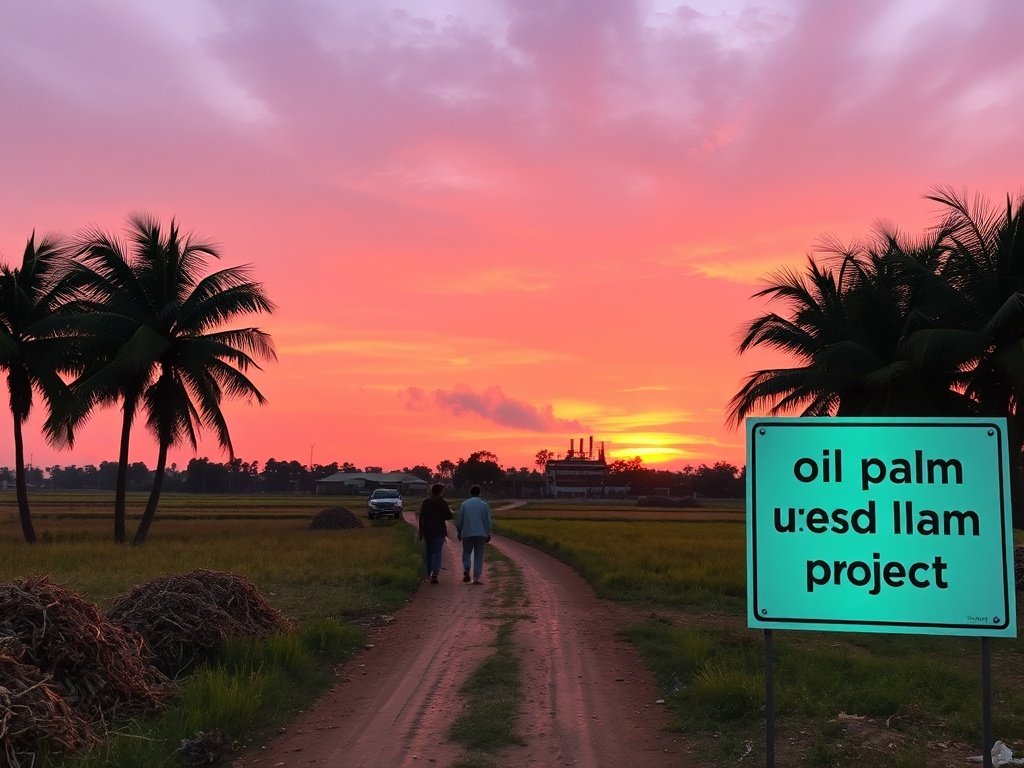
The oil palm waste used lamp project focuses on transforming discarded oil palm residues—such as shells, fibers, and fronds—into eco-friendly lighting solutions. Instead of letting agricultural waste accumulate or burn, this project converts it into creative lamp designs or biofuel-powered lighting. The idea promotes recycling, reduces environmental pollution, and supports sustainable product innovation. It is widely explored in sustainability research, design projects, and green engineering initiatives aiming to reduce waste while producing practical household lighting solutions.
Agricultural waste management has become an important challenge in regions that produce large quantities of oil palm residues. Innovative sustainability initiatives are exploring ways to transform this waste into useful products, including eco-friendly lighting. The oil palm waste used lamp project demonstrates how natural fibers, shells, and other palm by-products can be reused to create decorative lamps, biofuel lamps, or structural lamp materials.
This approach combines environmental responsibility with creative engineering. Instead of contributing to landfill waste or air pollution from burning residues, palm waste becomes part of circular design solutions. Students, researchers, and sustainability innovators often use this concept as a practical demonstration of renewable resource utilization. The result is a simple yet powerful example of how agricultural by-products can support green technology, sustainable design, and environmentally responsible lighting alternatives.
Introduction to Sustainable Lighting Innovation
Sustainable product design has gained significant attention as industries search for alternatives to traditional materials and energy sources. Agricultural waste offers a promising solution because it is abundant, renewable, and often underutilized. Palm residues such as fibers, shells, and empty fruit bunches can be transformed into functional products instead of being discarded. Designers and researchers are increasingly exploring ways to convert these materials into household items. One emerging concept involves using palm by-products to produce decorative or functional lighting solutions that combine environmental responsibility with creative design.
Understanding Oil Palm Waste and Its Environmental Impact
Oil palm cultivation generates large volumes of by-products during harvesting and processing. These residues include fronds, shells, fibers, and empty fruit bunches that accumulate in plantations and mills. In many regions, this waste is burned or left to decompose, which contributes to environmental pollution and greenhouse gas emissions. Managing such waste sustainably has become a critical challenge for agricultural industries. By developing innovative reuse methods, researchers aim to transform these by-products into valuable materials that can support sustainable manufacturing and reduce environmental impact.
Concept Behind the Oil Palm Waste Used Lamp Project
The oil palm waste used lamp project demonstrates how agricultural residues can be repurposed into functional lighting products. The concept focuses on collecting palm by-products and processing them into materials suitable for lamp construction. Fibers can be compressed into panels, shells can serve as decorative structures, and organic residues may even be converted into biofuel for lighting. By combining these materials with modern design techniques, the project highlights a creative approach to waste recycling while promoting sustainable product development in environmentally conscious communities.
Materials Commonly Used in Palm Waste Lamp Designs
Several types of palm by-products can be used to create eco-friendly lamps. Palm shells are often chosen for their durability and natural texture, making them ideal for decorative lamp covers. Fibers from palm fruit bunches can be pressed into composite boards used as structural components. Dried palm leaves and fronds can also serve as aesthetic elements in handcrafted lamp designs. These materials are lightweight, biodegradable, and naturally abundant, which makes them attractive options for sustainable design projects focused on reducing environmental footprints.
Processing Palm Waste into Usable Lamp Materials
Transforming agricultural residues into lamp components requires several preparation steps. First, collected palm waste is cleaned and dried to remove moisture and impurities. The materials are then processed through cutting, grinding, or compression techniques depending on the design requirements. Some projects use natural adhesives or eco-resins to strengthen the materials and improve durability. Once processed, the palm waste can be molded into shapes suitable for lamp bases, covers, or decorative panels, allowing designers to create unique lighting products from recycled agricultural resources.
Also read this: Flowxd Ultimate Guide to Powerful Digital Workflow Automation and Productivity
Environmental Benefits of Using Agricultural Waste
Reusing palm residues for sustainable products offers multiple environmental advantages. One key benefit is the reduction of waste that would otherwise contribute to landfill accumulation or air pollution through burning. Converting these materials into useful items also reduces the need for synthetic materials such as plastics. Additionally, utilizing agricultural by-products supports a circular economy model where waste becomes a resource. This approach encourages responsible consumption while helping industries manage large volumes of organic waste in a more environmentally friendly manner.
Role of Sustainable Design in Modern Engineering
Sustainable design principles play an essential role in modern product development. Engineers and designers are now expected to consider environmental impacts throughout the entire product lifecycle. Projects involving recycled materials demonstrate how creative thinking can reduce resource consumption while still producing functional and attractive products. Lighting made from agricultural by-products represents an example of this approach. By integrating renewable materials into everyday objects, designers can reduce environmental harm and inspire communities to adopt more sustainable lifestyles.
Energy Options for Eco-Friendly Lamps
Eco-friendly lighting solutions often incorporate renewable energy sources to maximize sustainability. Some lamp designs powered by palm-based biofuel use processed organic residues as a combustion source. Other projects combine recycled materials with solar-powered LED technology to create efficient and low-energy lighting devices. These energy options help reduce dependence on fossil fuels while providing practical illumination for homes and public spaces. Combining renewable materials with renewable energy further strengthens the environmental benefits of sustainable lighting innovations.
Educational Value of Sustainable Lamp Projects
Many universities and technical institutes encourage students to explore sustainable design through practical projects. Lamp designs made from agricultural waste provide an excellent learning opportunity for engineering, environmental science, and design students. Such projects help students understand real-world sustainability challenges while developing problem-solving and creativity skills. Students learn about material science, waste management, and eco-friendly product development. As a result, these projects not only promote environmental awareness but also prepare future professionals to develop innovative green technologies.
Economic Opportunities in Waste-Based Products
Turning agricultural residues into useful products can also create new economic opportunities. Small businesses and local artisans can produce decorative lamps using recycled palm materials, generating income while promoting sustainable practices. Rural communities near palm plantations may particularly benefit from such initiatives because raw materials are readily available. Developing value-added products from agricultural waste helps diversify income sources and encourages environmentally responsible entrepreneurship within local economies.
Design Creativity and Aesthetic Appeal
Eco-friendly lamps made from natural materials often have unique textures and organic patterns that enhance their visual appeal. Palm shells and fibers provide distinctive shapes and earthy colors that cannot easily be replicated with synthetic materials. Designers can experiment with different patterns, weaving techniques, and structural arrangements to create artistic lighting pieces. This combination of sustainability and creativity attracts consumers who appreciate environmentally responsible products with distinctive handmade aesthetics.
Challenges in Developing Sustainable Lamp Products
Despite the advantages, projects involving agricultural waste materials face certain challenges. Natural materials can vary in quality and durability depending on environmental conditions. Additional processing may be required to strengthen these materials for long-term use. Moisture resistance and fire safety are also important considerations when designing lighting products. Researchers and designers must address these challenges through careful material treatment, testing, and product design to ensure safety and reliability.
Global Interest in Circular Economy Innovations
Sustainability initiatives around the world are increasingly focused on circular economy models that minimize waste and maximize resource efficiency. Projects exploring recycled agricultural materials reflect this global trend toward responsible resource management. By converting organic waste into functional products, innovators demonstrate how industries can reduce environmental impact while generating new value. The oil palm waste used lamp project represents a practical example of how circular design principles can be applied to everyday consumer products.
Future Potential of Agricultural Waste Technologies
Advancements in material science and green engineering may further expand the possibilities for agricultural waste utilization. Researchers are exploring new techniques to convert natural fibers into durable composites suitable for various applications. As sustainability becomes a priority for industries and governments, innovations involving renewable materials will likely gain greater support. Lighting products created from recycled palm residues could become part of a broader movement toward eco-friendly household goods and sustainable manufacturing practices.
Community Awareness and Sustainable Lifestyle Adoption
Community awareness plays a vital role in promoting environmentally responsible innovations. When people see practical products made from recycled materials, they become more aware of the potential value hidden in everyday waste. Educational campaigns and sustainability exhibitions often showcase creative designs to inspire environmentally conscious behavior. By encouraging responsible consumption and waste reduction, such initiatives help communities move toward greener lifestyles while supporting environmentally friendly product development.
Conclusion
The oil palm waste used lamp project demonstrates how creativity and sustainability can work together to solve environmental challenges. By transforming agricultural residues into functional lighting products, innovators reduce waste while promoting renewable materials. These initiatives highlight the importance of circular design, environmental awareness, and responsible resource management. As sustainability continues to shape modern technology and product development, projects like this provide valuable examples of how simple ideas can contribute to a greener and more sustainable future.
FAQs
1. What is the oil palm waste used lamp project?
It is a sustainability concept that converts palm agricultural residues into materials used for eco-friendly lighting products.
2. What materials from palm waste are used in lamp designs?
Common materials include palm shells, fibers, fronds, and empty fruit bunches that can be processed into decorative or structural lamp components.
3. Why is using palm waste beneficial for the environment?
It reduces landfill waste, prevents pollution from burning residues, and promotes recycling of natural materials.
4. Can palm waste lamps use renewable energy sources?
Yes, many designs combine recycled materials with solar LEDs or biofuel-based lighting systems.
5. Who usually works on these sustainable lamp projects?
Students, researchers, environmental engineers, and sustainable product designers often develop these projects.
6. Are palm waste lamps durable?
With proper treatment and design, the materials can be strengthened to create durable and long-lasting lamp products.
7. Why are agricultural waste projects important for sustainability?
They encourage circular economy practices by turning waste into useful products while reducing environmental impact.
For more info: breakzone.co.uk
