
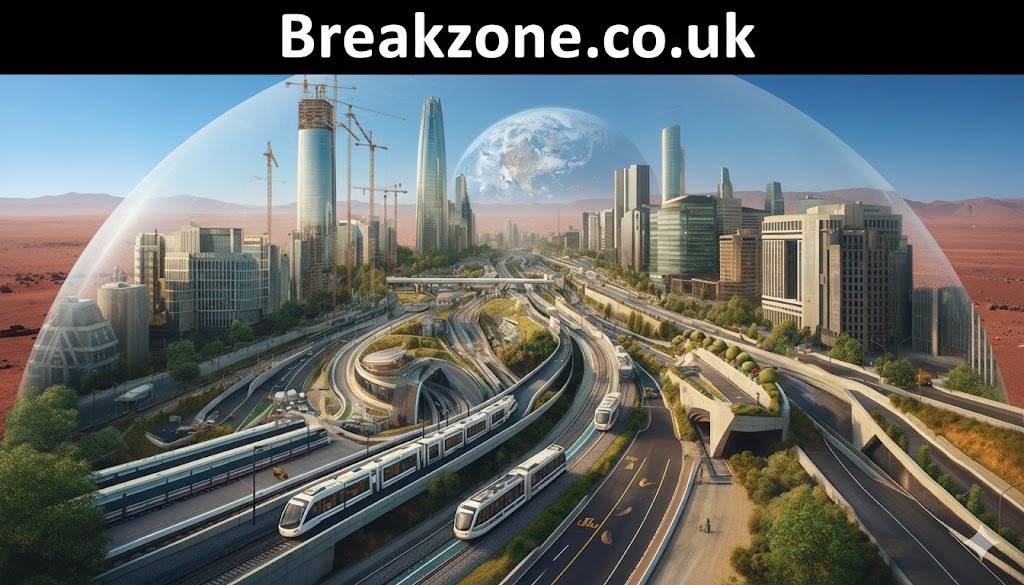
A priority infrastructure plan outlines strategic investments in transport, energy, water, and digital systems to support long-term economic stability and sustainable urban expansion. By aligning funding, governance, and environmental goals, it helps governments accelerate development while improving quality of life. The 2026 roadmap emphasizes resilience, smart technology adoption, and inclusive regional growth to ensure infrastructure delivers measurable social and financial returns.
Modern economies depend on efficient infrastructure to maintain productivity, attract investment, and support population growth. Strategic national planning ensures that limited public resources are directed toward projects with the highest long-term value. The 2026 development roadmap focuses on sustainability, climate resilience, and digital transformation while strengthening transportation, utilities, and communication networks. It also highlights transparent governance, public-private collaboration, and data-driven decision-making to improve project delivery. By integrating environmental responsibility with economic ambition, this framework aims to create balanced regional progress and future-ready cities. The overall vision is not only faster construction but smarter, more inclusive systems that enhance daily life and national competitiveness.
Strategic Vision for National Development
Long-term prosperity depends on coordinated infrastructure that connects industries, communities, and markets. Governments are increasingly adopting structured planning models to prioritize projects with measurable economic and social value. A priority infrastructure plan provides this direction by identifying sectors that require urgent modernization while ensuring balanced regional investment. Rather than reacting to short-term pressures, planners evaluate demographic trends, climate risks, and technological change. This strategic vision allows nations to build systems that remain useful for decades, reducing maintenance costs and supporting consistent productivity across urban and rural areas.
Economic Growth Through Targeted Investment
Infrastructure spending has a multiplier effect that stimulates employment, trade, and private sector confidence. Carefully sequenced investments in transport corridors, logistics hubs, and reliable energy supplies reduce operational costs for businesses. When industries operate efficiently, exports expand and domestic markets become more competitive. Financial institutions also respond positively to predictable development pipelines, making long-term funding easier to secure. By focusing resources on high-impact sectors instead of scattered projects, policymakers create stronger economic momentum and ensure public spending translates into visible national progress.
Sustainable Planning and Environmental Balance
Sustainability is now central to infrastructure decision-making rather than an afterthought. Modern planning integrates renewable energy, efficient water management, and low-emission transport systems to reduce environmental strain. Climate-resilient construction techniques protect assets from floods, heatwaves, and extreme weather, preventing costly reconstruction in the future. Environmental assessments also encourage biodiversity protection and responsible land use. Through these measures, development supports ecological stability while still enabling growth. The result is infrastructure that benefits current populations without compromising resources needed by future generations.
Role of Digital Transformation in Infrastructure
Smart technology is reshaping how infrastructure is designed, monitored, and maintained. Sensors, real-time data platforms, and predictive analytics improve operational efficiency and reduce service disruptions. Digital traffic systems ease congestion, while automated energy grids balance supply and demand more effectively. Governments are also using geographic information systems to plan urban expansion with precision. These innovations lower maintenance expenses and improve service quality for citizens. Integrating digital tools ensures that new projects remain adaptable as technology evolves, making infrastructure investments more durable and cost-effective over time.
Governance, Transparency, and Accountability
Strong governance determines whether infrastructure delivers promised benefits. Transparent procurement processes reduce corruption risks and improve public trust in large-scale projects. Clear regulatory frameworks also help investors understand responsibilities and expected returns. Independent monitoring bodies can track timelines, budgets, and environmental compliance to ensure accountability. Community engagement further strengthens legitimacy by allowing residents to contribute feedback before construction begins. When governance systems function effectively, infrastructure programs achieve higher efficiency, reduced delays, and stronger long-term public support.
Public-Private Partnerships and Financing Models
Funding large projects often exceeds public budget capacity, making collaboration with private investors essential. Public-private partnerships distribute financial risk while accelerating construction timelines. Private firms contribute technical expertise, innovation, and operational efficiency, while governments provide regulatory stability and long-term demand assurance. Blended finance models, including development banks and green bonds, further expand available capital. These diverse funding mechanisms allow infrastructure expansion without overwhelming national debt levels, ensuring sustainable fiscal management alongside physical development.
Also read this: Hochre Framework Made Simple: Find Calm, Clarity, and Balance in Everyday Life
Urbanization and Smart City Development
Rapid urban population growth requires smarter planning to avoid congestion, pollution, and housing shortages. Integrated transport networks, energy-efficient buildings, and digital public services form the foundation of modern cities. Mixed-use zoning encourages walkable communities and reduces dependence on long commutes. Data-driven urban management improves waste collection, water distribution, and emergency response. By aligning infrastructure expansion with population trends, cities become more livable, productive, and environmentally responsible, supporting both economic opportunity and social well-being.
Rural Connectivity and Inclusive Growth
Balanced national progress depends on connecting rural regions to economic centers. Roads, broadband internet, irrigation systems, and reliable electricity enable agricultural productivity and small-business development. Improved connectivity also expands access to education, healthcare, and financial services. Inclusive infrastructure planning reduces migration pressure on cities while empowering local communities. This equitable distribution of resources ensures that development benefits reach all citizens rather than concentrating only in metropolitan areas.
Climate Resilience and Risk Management
Infrastructure must withstand increasingly unpredictable environmental conditions. Flood-resistant roads, drought-tolerant water systems, and reinforced energy networks reduce vulnerability to disasters. Early-warning technologies and emergency response planning further protect communities and economic assets. Investing in resilience may increase initial costs, but it significantly lowers long-term recovery expenses. By prioritizing durability and adaptability, planners safeguard national productivity and human safety in the face of climate uncertainty.
Workforce Development and Job Creation
Large infrastructure initiatives generate employment across engineering, construction, technology, and maintenance sectors. Training programs aligned with project needs help workers gain valuable technical skills. Skilled labor availability also attracts international investors seeking reliable project execution. Beyond construction, improved infrastructure stimulates entrepreneurship and service industries. This cycle of employment and innovation strengthens household incomes and overall economic resilience, making infrastructure development a powerful driver of social mobility.
Innovation, Research, and Future Technologies
Emerging technologies such as advanced materials, renewable storage systems, and autonomous transport are transforming infrastructure possibilities. Research institutions and industry collaboration accelerate the adoption of safer and more efficient solutions. Pilot projects allow governments to test innovations before nationwide implementation. Continuous learning ensures infrastructure remains compatible with future technological standards. Encouraging innovation keeps national systems competitive in a rapidly evolving global economy.
Measuring Performance and Long-Term Impact
Effective evaluation frameworks help determine whether infrastructure investments deliver expected benefits. Performance indicators may include travel time reduction, energy reliability, environmental improvement, and economic output growth. Data collection enables policymakers to adjust strategies and improve future planning cycles. Transparent reporting also reassures citizens that public funds are being used responsibly. Long-term monitoring transforms infrastructure from static construction into a continuously improving national asset.
Regional Cooperation and Global Competitiveness
Cross-border transport corridors, energy sharing, and digital connectivity strengthen regional trade and diplomatic relationships. Cooperative infrastructure projects reduce logistics costs and open access to larger markets. Participation in international standards also improves investment attractiveness. By aligning national development with regional integration, countries enhance competitiveness in global supply chains. Strategic cooperation transforms infrastructure into a bridge for economic partnership and shared prosperity.
Social Benefits and Quality of Life Improvements
Reliable infrastructure improves everyday living conditions by ensuring safe transport, clean water, stable electricity, and accessible communication. These services support education, healthcare delivery, and community interaction. Reduced travel time allows families to spend more time on productive and social activities. Environmental improvements contribute to healthier living spaces. Ultimately, infrastructure development is not only an economic tool but a foundation for human well-being and societal stability.
Implementation Roadmap Toward 2026 Goals
Achieving national development targets requires phased execution, realistic budgeting, and continuous monitoring. Governments must coordinate institutions, secure financing, and maintain transparency throughout project lifecycles. Adaptive planning allows adjustments when economic or environmental conditions change. The priority infrastructure plan guiding 2026 emphasizes sustainability, inclusivity, and technological readiness. With disciplined implementation, nations can transform strategic vision into measurable progress that benefits both present and future generations.
Conclusion
Sustainable infrastructure development is essential for economic resilience, environmental protection, and social progress. Strategic planning, transparent governance, innovative financing, and technological integration together create systems that endure beyond short political cycles. By focusing on inclusive growth and climate resilience, nations can ensure long-term prosperity while improving daily life for citizens. Thoughtful execution of development roadmaps will define how successfully societies navigate the opportunities and challenges of the coming decades.
FAQs
1. What is a priority infrastructure plan?
It is a strategic framework that identifies and funds the most critical national infrastructure projects for long-term development.
2. Why is sustainable infrastructure important?
It reduces environmental impact, improves resilience, and ensures resources remain available for future generations.
3. How does infrastructure support economic growth?
Efficient transport, energy, and communication systems lower business costs and stimulate investment and job creation.
4. What role does technology play in modern infrastructure?
Digital monitoring, automation, and data analytics improve efficiency, safety, and long-term maintenance planning.
5. How are large infrastructure projects financed?
Through public budgets, private investment partnerships, development banks, and innovative instruments like green bonds.
6. Why is rural connectivity essential for development?
It expands access to services, boosts agriculture and small businesses, and reduces inequality between regions.
7. What makes the 2026 roadmap significant?
It integrates sustainability, resilience, and smart technology to guide future-ready national development.
Fore more info: Breakzone.co.uk
