
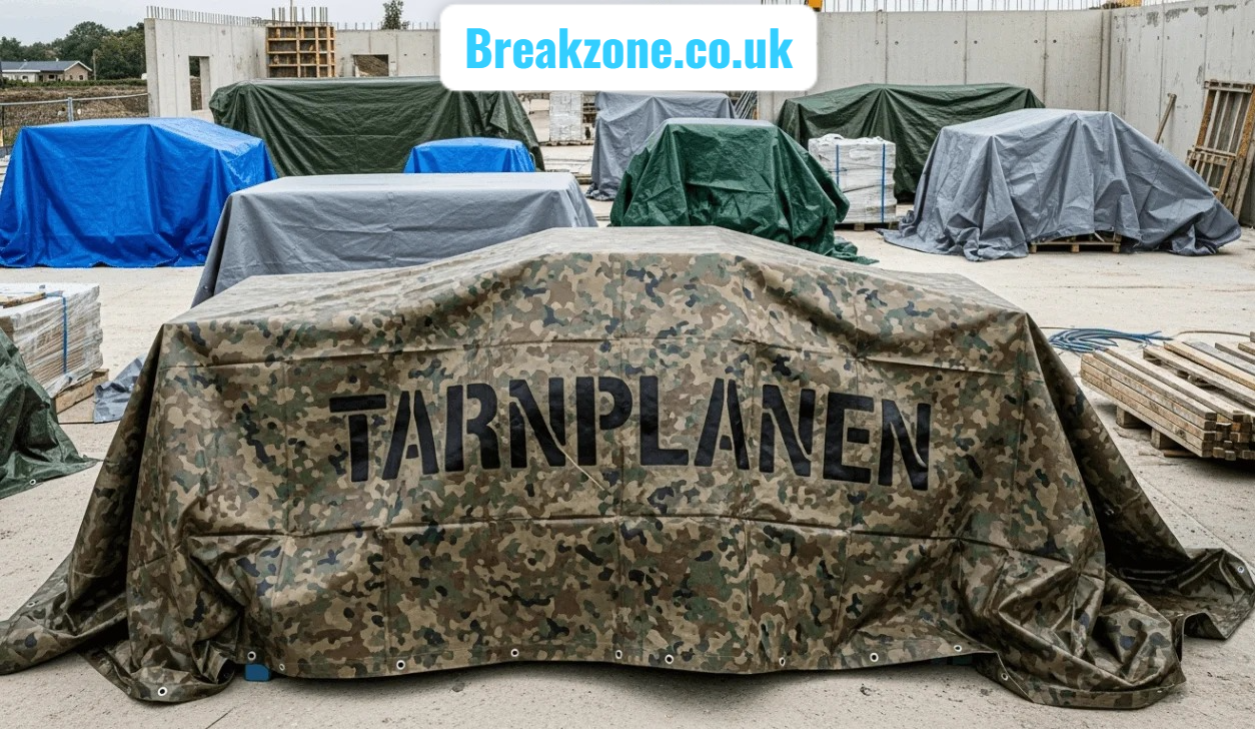
Tarnplanen are durable camouflage tarps designed for outdoor protection, concealment, and weather resistance. Commonly used in camping, military training, gardening, and construction, they shield equipment from rain, sun, and debris while blending naturally into surroundings. High-quality options feature waterproof coatings, reinforced edges, and tear-resistant fabric, making them a reliable solution for temporary shelter, storage coverage, and long-term outdoor protection in varied environmental conditions.
Outdoor protection and concealment solutions are essential for camping enthusiasts, survival planners, and professionals working in exposed environments. This article explores how camouflage tarps function, what materials make them durable, and why they are widely used across recreational, agricultural, and tactical settings. Readers will learn how to choose the right size, thickness, and waterproof capability for different weather conditions while understanding maintenance techniques that extend lifespan. By the end, you will have a clear, practical understanding of selecting and using the ideal protective cover for reliable outdoor performance.
Understanding the Practical Purpose and Everyday Outdoor Value of Tarnplanen
Outdoor environments expose equipment, supplies, and living spaces to unpredictable weather, moisture, and sunlight. Protective covers designed with camouflage patterns serve both functional and visual purposes, allowing objects to remain shielded while blending naturally into forests, fields, or construction zones. These coverings are widely appreciated for versatility, since they can function as temporary roofing, ground insulation, or privacy barriers. Their usefulness extends beyond specialized professions, making them a practical addition for campers, homeowners, and travelers who require dependable outdoor protection throughout changing seasonal conditions.
Historical Development of Camouflage Protective Covers in Military and Civilian Life
Camouflage coverings originated from military needs where concealment and durability were essential for survival and strategic positioning. Over time, manufacturers adapted these rugged materials for civilian applications such as farming, transport, and emergency preparedness. Improvements in synthetic fibers and waterproof coatings transformed simple fabric sheets into long-lasting protective systems. Today’s designs balance lightweight portability with strong resistance to tearing and environmental stress. This evolution demonstrates how innovations driven by defense requirements often become valuable everyday tools that enhance safety, efficiency, and convenience in non-military outdoor activities.
Material Composition and Why Fabric Technology Determines Long-Term Durability
Modern protective tarps are typically produced from polyethylene, polyester, or canvas blends, each offering different strengths in weight, flexibility, and resistance. Polyethylene provides strong waterproofing and affordability, while polyester improves tear resistance and UV tolerance. Canvas options deliver breathability and natural texture suited to moderate climates. Reinforced stitching, laminated coatings, and rust-resistant eyelets further enhance structural reliability. Material quality ultimately determines whether a cover withstands repeated folding, wind tension, and moisture exposure, making fabric selection one of the most critical considerations for anyone seeking dependable long-term outdoor coverage.
Weather Resistance Capabilities Across Rain, Sunlight, Wind, and Temperature Changes
Reliable outdoor covers must perform consistently in harsh environmental conditions. Waterproof layers prevent rain penetration, while ultraviolet stabilization slows sun-induced degradation that can weaken fibers over time. Wind resistance depends on reinforced edges and secure fastening points that distribute tension evenly. Temperature flexibility ensures the material does not crack in cold climates or soften excessively in heat. These combined properties allow protective coverings to maintain structural integrity through seasonal variation, ensuring stored equipment, shelter areas, or workspaces remain safe and dry regardless of sudden environmental shifts.
Common Outdoor, Agricultural, and Construction Applications in Daily Use
Versatility explains why camouflage tarps appear in so many real-world settings. Campers stretch them between trees to create quick shelters, gardeners cover soil or firewood piles, and construction workers protect tools from dust or rainfall. Transport vehicles rely on them to secure cargo during long journeys. Their neutral visual patterns also reduce visual clutter in natural landscapes. Because a single sheet can serve multiple purposes, users gain cost-effective protection without needing specialized equipment for each scenario, increasing convenience across recreational, domestic, and professional environments.
Also read this: Mannacote Explained: Uses, Benefits, Ingredients, Safety, and Modern Applications Guide
Size Selection Considerations Based on Coverage Needs and Portability Balance
Choosing the correct dimensions requires balancing total coverage with ease of handling. Larger sheets provide broader shelter and protection but can become heavier and harder to secure during windy conditions. Smaller sizes improve portability and quick deployment yet may leave edges exposed to moisture. Accurate measurement of the intended coverage area prevents unnecessary folding or stretching that could weaken the material. Thoughtful sizing ensures efficient use, longer lifespan, and better overall performance when the cover is repeatedly installed, removed, and transported between locations.
Thickness, Weight, and Reinforcement Features That Influence Performance Quality
Material thickness directly affects durability, puncture resistance, and longevity. Heavier fabrics generally withstand rough surfaces and prolonged tension better than lightweight alternatives, though they may reduce portability. Reinforced corners, double-stitched seams, and metal eyelets distribute stress and prevent tearing during strong winds or tight fastening. These structural enhancements transform a simple cover into a reliable protective system capable of repeated outdoor use. Evaluating thickness alongside reinforcement features helps buyers select products that match their specific environmental challenges and expected frequency of use.
Proper Installation Techniques That Improve Stability and Prevent Premature Damage
Correct setup significantly influences how long a protective cover remains effective. Even tension across attachment points prevents strain concentration that could cause ripping. Slight angling allows rainwater to drain instead of pooling, reducing weight stress on the fabric. Secure knots or elastic fasteners maintain flexibility during wind movement. Avoiding sharp edges beneath the material minimizes abrasion damage. Careful installation not only protects the covered objects but also preserves the structural strength of the covering itself, extending usability through repeated outdoor deployments.
Maintenance Practices That Extend Lifespan and Preserve Waterproof Performance
Routine care keeps outdoor coverings functional for years. Cleaning off mud, leaves, or chemical residue prevents gradual material breakdown. Thorough drying before storage reduces mold formation and odor. Folding along natural seams avoids unnecessary creasing that weakens fibers. Periodic inspection of stitching and eyelets allows early repair before damage spreads. These simple habits maintain waterproof coatings and structural strength, ensuring dependable performance whenever protection is needed again in changing weather or demanding outdoor conditions.
Environmental Considerations and Sustainable Manufacturing Improvements in Modern Covers
Growing environmental awareness has encouraged manufacturers to explore recyclable materials, reduced chemical coatings, and longer-lasting construction methods. Durable products naturally lower waste because they require less frequent replacement. Some producers now integrate partially recycled polymers or eco-friendly treatments that minimize ecological impact without sacrificing strength. Consumers increasingly value sustainability alongside performance, influencing industry innovation. This shift demonstrates how outdoor protection solutions can evolve responsibly while continuing to meet demanding functional requirements across recreational and professional applications.
Comparing Camouflage Covers With Standard Tarps for Visibility and Practical Benefits
Standard single-color tarps provide protection but remain visually prominent in natural surroundings. Camouflage designs reduce visibility, which can be useful for wildlife observation, discreet storage, or aesthetic blending in gardens and campsites. Functionally, both types may share similar waterproofing and durability, yet visual integration offers an additional advantage in certain contexts. This distinction explains why camouflage options remain popular among outdoor enthusiasts seeking both protection and subtle environmental harmony during extended use in open landscapes.
Budget Versus Premium Quality Differences and Long-Term Value Assessment
Lower-cost coverings often use thinner materials and minimal reinforcement, making them suitable for short-term or light-duty tasks. Premium versions incorporate stronger fibers, improved coatings, and reinforced construction that withstands repeated stress and severe weather. Although initial cost is higher, durability frequently results in better long-term value because replacement becomes less frequent. Evaluating expected usage intensity helps determine whether investing in higher quality ultimately saves money while providing more reliable protection in demanding outdoor environments.
Safety Awareness When Using Outdoor Protective Covers in Changing Conditions
While protective sheets enhance shelter and storage safety, improper use can introduce risks. Poor ventilation beneath covered equipment may trap moisture, while unsecured edges can become wind hazards. Using flame-resistant materials near heat sources reduces danger. Regular monitoring during storms ensures attachments remain secure. Responsible handling ensures that protective benefits outweigh potential hazards, supporting safe and effective outdoor operation across recreational, residential, and professional scenarios where environmental exposure is unavoidable.
Future Innovations in Lightweight Waterproof Technology and Smart Material Design
Advancements in textile engineering continue to improve outdoor protection materials. Researchers explore ultralight fibers, enhanced UV resistance, and coatings that repel dirt or self-seal minor punctures. Compact folding designs improve portability for travelers and emergency responders. Smart materials capable of adapting to temperature or moisture levels may soon redefine durability standards. These innovations indicate a future where protective outdoor coverings become stronger, lighter, and more sustainable while maintaining dependable performance across increasingly diverse real-world applications.
Conclusion: Choosing Reliable Tarnplanen for Long-Lasting Outdoor Protection
Selecting high-quality outdoor camouflage coverage requires attention to material strength, weather resistance, correct sizing, and proper maintenance. When thoughtfully chosen and carefully installed, tarnplanen provide dependable shielding, visual blending, and versatile functionality across camping, agriculture, transport, and construction use. Understanding durability features and environmental considerations helps users make informed purchasing decisions that deliver lasting value. With continuous improvements in fabric technology and sustainability, these protective solutions remain an essential tool for anyone seeking reliable performance in unpredictable outdoor conditions.
FAQs (People Also Ask)
What are tarnplanen mainly used for?
They are commonly used for outdoor protection, camouflage coverage, temporary shelter, and shielding equipment from rain, sunlight, and debris.
Are camouflage tarps fully waterproof?
Many high-quality versions include waterproof coatings, but effectiveness depends on material thickness, seam sealing, and proper installation angle for drainage.
How long do durable outdoor tarps typically last?
With correct maintenance and moderate weather exposure, strong reinforced tarps can remain functional for several years before needing replacement.
Can they be used for camping shelters?
Yes, they are frequently stretched between trees or poles to create lightweight emergency or recreational shelters in outdoor environments.
What material is best for heavy-duty outdoor coverage?
Polyethylene or reinforced polyester fabrics generally provide the best balance of waterproofing, tear resistance, and long-term durability.
How should outdoor tarps be stored after use?
They should be cleaned, completely dried, and folded neatly to prevent mold, odor, and structural weakening during storage.
Do camouflage patterns fade over time?
Extended sunlight exposure may gradually reduce color intensity, though UV-resistant coatings significantly slow visible fading.
Fore more info: Breakzone.co.uk
