
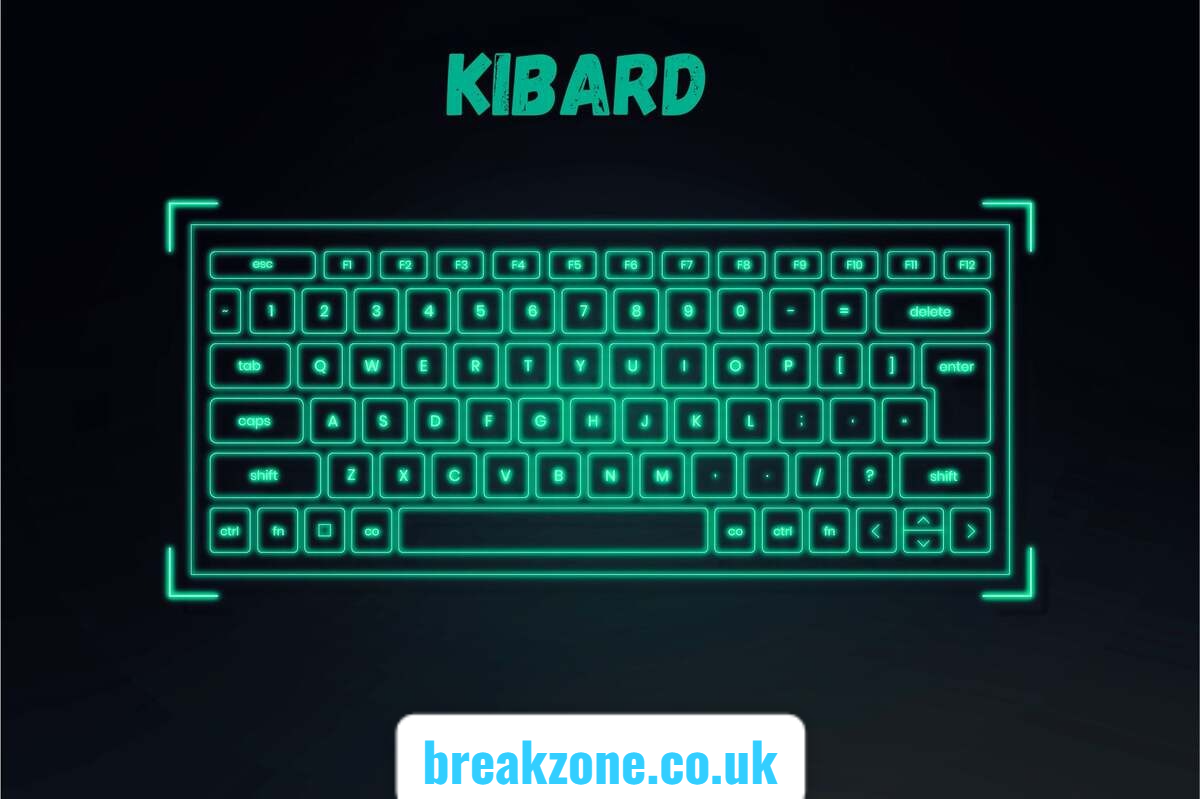
Kibard is a commonly used typo or phonetic spelling of “keyboard,” the essential device for typing and computer input. Many users search kibard when looking for keyboards, including physical, virtual, or mobile variants. Understanding kibard helps digital users, content creators, and SEO specialists recognize typing patterns, provide accurate information, and optimize content for real search intent, bridging the gap between human errors and correct technology references.
Kibard is not an official word but has emerged online as a frequent alternative spelling for “keyboard.” As a typing tool, keyboards are fundamental in computers, mobile devices, and virtual platforms, serving millions worldwide for work, gaming, and communication. The term kibard often appears due to typos, voice recognition errors, or regional pronunciations. Exploring kibard reveals the evolution of keyboards from typewriters to modern mechanical, membrane, and virtual designs. This article covers the history, types, features, user impact, and digital relevance of keyboards, guiding readers and SEO professionals to understand why kibard searches are common and how to optimize content around this unique keyword.
Understanding Kibard — The Typing Term Behind Keyboard
Kibard is widely recognized online as a misspelling or phonetic variation of “keyboard.” Users often type kibard when writing quickly or using voice-to-text tools. While it lacks formal dictionary recognition, kibard reflects real-world typing habits and search trends. By examining kibard, content creators and tech enthusiasts can better understand how users interact with technology, interpret terms phonetically, and navigate digital devices. Recognizing these patterns ensures accurate information reaches the audience while improving SEO for terms people frequently search.
Why Kibard Emerges in Digital Searches
The appearance of kibard in searches is mainly due to typos, voice recognition errors, and regional pronunciations. People intending to search for keyboard-related content often type kibard by mistake. This creates an opportunity for websites to capture niche traffic and address user intent. From a digital marketing perspective, acknowledging kibard queries helps guide users toward correct keyboard resources, tutorials, and reviews. It also highlights evolving search behaviors and the importance of optimizing content for both proper spelling and common user errors.
The Historical Evolution of Keyboards
Keyboards have evolved over centuries, beginning with mechanical typewriters in the 19th century. These devices transformed writing and office communication. With the rise of computing in the 20th century, keyboards adapted to electronic input, adding functions for efficiency. Today’s keyboards include mechanical, membrane, and virtual models, each suited to unique use cases. Understanding this evolution gives context to the kibard term, as users searching for keyboards may unknowingly type kibard due to familiarity with older layouts or typing habits developed over time.
Physical Keyboards — Mechanical and Membrane Designs
Physical keyboards dominate both professional and gaming environments. Mechanical keyboards are popular for tactile feedback, durability, and customizable switches. Membrane keyboards, while quieter and more affordable, offer less responsiveness. Both designs have contributed to user typing habits that can generate common misspellings like kibard. Recognizing the differences allows users to select keyboards suited to comfort, productivity, and personal preference, while also understanding why kibard continues to appear in searches for keyboard guides and tutorials.
Virtual and On-Screen Keyboards
Modern devices often use virtual keyboards on smartphones, tablets, and touchscreens. These keyboards predict words, suggest corrections, and accommodate multiple languages. Users typing quickly on virtual keyboards may inadvertently create typos such as kibard. These tools reflect a shift in digital communication, emphasizing speed and convenience over strict spelling accuracy. Recognizing this helps digital marketers and content creators understand why searches for kibard occur and how to capture traffic from users looking for keyboard advice.
Also read this: Sodiceram Breakthrough: Advanced Sodium-Infused Ceramic Revolutionizing Modern Industries
The Impact of Ergonomics on Typing
Ergonomics plays a critical role in typing efficiency and comfort. Poorly designed keyboards can cause strain or fatigue, affecting productivity and potentially leading to errors. Users searching for kibard may be seeking guidance on ergonomic keyboards that reduce wrist strain and improve typing experience. Understanding ergonomics, key layout designs, and posture recommendations helps prevent repetitive strain injuries and explains why the right keyboard choice remains crucial in both home and professional settings.
Keyboard Features That Influence User Experience
Keyboards offer various features that affect usability. Backlighting, programmable keys, and switch types are important for gamers and professionals alike. Wireless connectivity enhances flexibility, while mechanical switches improve responsiveness. These features shape typing behavior and can influence how errors like kibard occur. Users often search for keyboards with specific functions, and understanding these preferences helps content creators address both search intent and ergonomic needs, guiding readers toward products and solutions that improve typing efficiency.
Typing Errors and Autocorrect — Creating Kibard
Kibard frequently emerges due to human error or autocorrect misinterpretation. Rapid typing, unfamiliar layouts, or predictive text can transform “keyboard” into kibard. Voice-to-text recognition can also mishear commands, producing the same result. By understanding these sources, digital communicators and marketers can predict search patterns and optimize content. Addressing kibard explicitly in guides ensures that users find accurate information, even when searching with common spelling mistakes.
Language and Phonetics in Kibard Usage
Language diversity and phonetic pronunciation influence how users type terms online. Non-native speakers may spell words as they sound, resulting in kibard. Online communities, forums, and social media amplify these variations. Understanding this linguistic perspective is crucial for creating inclusive content and addressing search intent, ensuring that people encountering kibard receive clear, informative resources about keyboards and related technology topics.
Digital Culture and the Spread of Kibard
Internet culture encourages informal spelling and rapid communication, which spreads terms like kibard. Social media, chat apps, and forums adopt phonetic spelling to communicate faster. This trend has led to kibard becoming recognizable in search engines despite being technically incorrect. Awareness of these cultural shifts enables content creators to capture traffic from evolving language patterns while educating users on proper terminology and technology use.
Kibard in SEO Strategy
Optimizing for kibard can enhance digital marketing efforts. Including the term in meta descriptions, FAQs, and content headings captures traffic from typo-based searches. Recognizing the intent behind kibard allows creators to provide high-quality keyboard resources, reviews, and guides. Proper optimization balances user needs with search engine requirements, bridging the gap between informal search terms and accurate content, boosting visibility, and improving audience engagement.
The Modern Keyboard Landscape
Keyboards today range from professional mechanical setups to minimalist wireless devices. Virtual keyboards on mobile devices dominate everyday use. Each variation influences typing behavior and search patterns, including kibard. Users seeking ergonomic designs, gaming features, or efficient mobile input often encounter this typo. Understanding the modern keyboard ecosystem helps content creators and educators provide guidance, explain product benefits, and respond to common user questions effectively.
Reducing Typing Errors Like Kibard
To prevent errors like kibard, users should enable autocorrect, practice touch typing, and familiarize themselves with keyboard layouts. Using predictive text and proofreading can also help. While kibard remains common due to speed and device differences, these strategies reduce mistakes. Educating users about proper typing techniques enhances productivity, minimizes confusion in digital communication, and improves accuracy for both casual and professional computing tasks.
The Future of Typing and Input Devices
Emerging input technologies, including gesture recognition, AI-assisted typing, and advanced voice commands, may reduce errors like kibard over time. However, physical keyboards remain essential in professional, gaming, and creative contexts. Understanding search trends like kibard helps tech developers and content strategists anticipate user behavior and maintain relevance in a rapidly changing digital landscape, ensuring content meets evolving needs while capturing search traffic effectively.
Conclusion
Kibard, though not an official term, reflects real-world typing habits, voice recognition errors, and informal language use online. It serves as a phonetic variation or typo for keyboards, one of the most fundamental digital input tools. Understanding kibard is crucial for content creators, SEO specialists, and technology users to address search intent, optimize resources, and provide accurate information. Recognizing keyboard evolution, features, and ergonomic practices ensures that even searches for kibard lead to practical, educational, and helpful guidance in today’s digital landscape.
FAQs
1. What does kibard mean?
Kibard is a common typo or phonetic variation of “keyboard.”
2. Is kibard a real word?
No, it’s not officially recognized but widely used online.
3. Why do people type kibard?
Fast typing, autocorrect, or voice recognition errors often create kibard.
4. Can kibard refer to a keyboard brand?
Rarely, it may appear as a unique name but usually represents keyboards.
5. Should content creators optimize for kibard?
Yes, it helps capture traffic from typo-based searches.
6. How does kibard relate to typing errors?
It shows common phonetic and autocorrect mistakes when typing keyboard.
7. How can I avoid typing kibard?
Enable autocorrect, practice typing, and proofread before submitting text.
Fore more info: Breakzone.co.uk
