
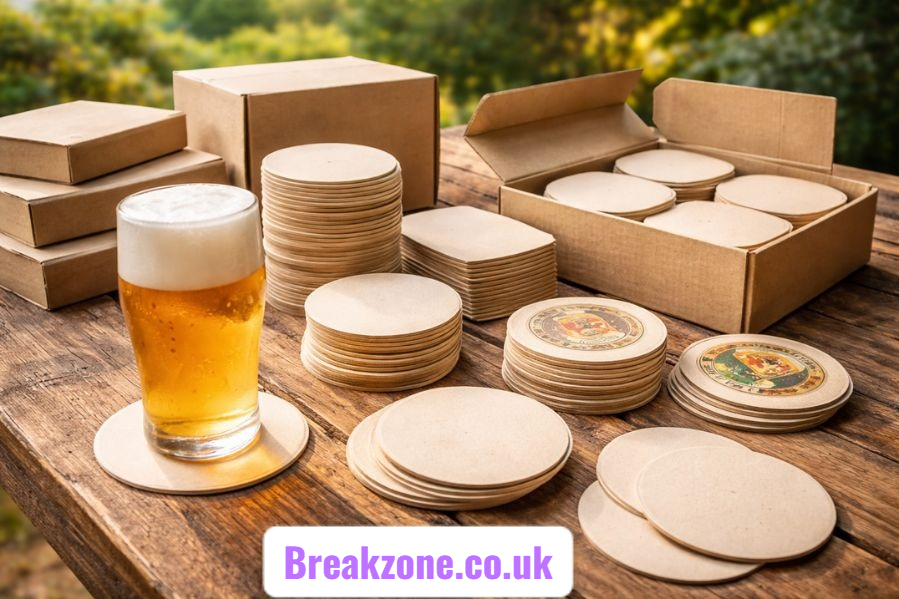
A pappedeckel is a type of cardboard lid used in packaging to protect and secure products. It’s widely utilized in food, electronics, and retail industries due to its lightweight, eco-friendly, and cost-effective nature. Businesses prefer pappedeckel for its durability, ease of customization, and ability to reduce environmental impact while ensuring product safety during transport and storage.
The pappedeckel is a revolutionary packaging solution that combines practicality with sustainability. Designed primarily as a cardboard lid, it protects goods while providing a lightweight, affordable, and environmentally conscious alternative to plastic packaging. Industries ranging from food service to retail rely on pappedeckel for its versatility, ease of handling, and customizable design options. This article explores its types, benefits, manufacturing processes, and ecological impact. We also delve into how businesses can leverage pappedeckel to enhance product presentation, reduce shipping risks, and contribute to greener operations. From consumer convenience to industrial efficiency, pappedeckel is redefining modern packaging strategies.
Introduction:
Packaging plays a crucial role in product presentation, safety, and sustainability. Among modern solutions, the pappedeckel stands out as an eco-friendly, cost-effective cardboard lid that protects products while minimizing environmental impact. From food containers to retail boxes, its lightweight and sturdy design makes it ideal for a wide range of industries. Businesses increasingly adopt pappedeckel to enhance brand image, improve customer experience, and ensure items reach consumers in perfect condition. This article explores everything about pappedeckel, from its benefits to practical applications, helping readers understand why it’s a packaging game-changer.
The History of Pappedeckel and Cardboard Packaging
Cardboard has been a primary packaging material since the 19th century, evolving from simple boxes to sophisticated lids. The pappedeckel emerged as an innovation addressing the need for secure, recyclable, and lightweight product protection. Early manufacturers focused on durability and cost-effectiveness, while modern designs incorporate branding and customization. Today, pappedeckel represents the intersection of functionality and sustainability. Its history highlights the packaging industry’s shift toward eco-conscious solutions, reflecting consumer demand for products that are both protective and environmentally responsible. Understanding this evolution helps businesses appreciate its continued relevance.
Key Features of Pappedeckel
A pappedeckel offers unique features that make it a preferred packaging solution. Its primary characteristics include lightweight construction, rigidity for protection, recyclability, and customizable size and shape. Many models feature water-resistant coatings or printed branding for marketing purposes. The lid’s design ensures a snug fit, reducing the risk of spills or damage during transportation. Its versatility allows it to complement various packaging types, from food trays to electronics boxes. These features collectively make pappedeckel an efficient, eco-friendly choice for companies seeking sustainable packaging solutions that also enhance product presentation.
Types of Pappedeckel
Pappedeckel comes in several variations, catering to different industries and needs. Common types include standard flat lids, folding lids for easy assembly, and reinforced lids for heavier products. Some are coated for moisture resistance, while others feature embossed or printed designs for branding. The variety ensures that businesses can choose the right pappedeckel depending on product weight, fragility, and presentation requirements. Customization options, including shape, color, and size, further increase its utility. By understanding these types, companies can optimize packaging efficiency and elevate their product’s visual appeal.
Manufacturing Process of Pappedeckel
The production of pappedeckel involves sourcing sustainable cardboard, precision cutting, folding, and sometimes coating. Advanced machines can emboss logos or add protective layers. Quality control ensures consistent size, strength, and finish. Eco-conscious manufacturers focus on using recycled cardboard and water-based adhesives. Automation allows large-scale production while maintaining uniformity, ensuring each lid meets industry standards. This manufacturing process highlights how pappedeckel combines industrial efficiency with environmentally responsible practices, making it a viable option for both small businesses and large-scale operations.
Also read this: Kibard Explained: Discover Keyboards’ Evolution, Features, And Modern Technology Use
Benefits for Businesses
Businesses benefit from pappedeckel in multiple ways. It reduces shipping costs due to its lightweight nature, protects products from damage, and supports eco-friendly branding. Customizable lids enhance product presentation, strengthening customer perception and loyalty. Additionally, companies can align with sustainability goals, appealing to environmentally conscious consumers. The reusable and recyclable nature of pappedeckel reduces waste, lowers expenses, and improves operational efficiency. For industries like food service, retail, and consumer goods, it’s a solution that balances functionality, branding, and environmental responsibility.
Environmental Impact and Sustainability
A major advantage of pappedeckel is its positive environmental impact. Made from recyclable cardboard, it reduces reliance on plastics and lowers carbon footprint. Many manufacturers use recycled materials and water-based inks, making the lid biodegradable and eco-friendly. Businesses adopting pappedeckel demonstrate corporate responsibility, appealing to eco-conscious customers. Its sustainability aligns with global efforts to reduce packaging waste and supports circular economy practices. By choosing pappedeckel, companies can protect products while actively contributing to environmental preservation, an increasingly important consideration in today’s market.
Pappedeckel in the Food Industry
The food industry extensively uses pappedeckel for containers, trays, and takeaway boxes. It ensures hygiene, prevents spillage, and maintains temperature control. Many lids are coated with grease- or water-resistant layers, suitable for hot and cold foods. Its lightweight nature reduces delivery costs, while customizable branding helps businesses stand out. Restaurants, caterers, and delivery services rely on pappedeckel to balance convenience, durability, and sustainability, making it an essential component of modern food packaging solutions.
Pappedeckel in Retail Packaging
Retail products also benefit from pappedeckel in packaging. Cosmetics, electronics, and gift items often require protective yet visually appealing lids. Custom-printed pappedeckel enhances brand visibility, communicates product information, and improves shelf presence. Its sturdy design prevents damage during transport, while recyclability aligns with consumer expectations for sustainable packaging. Retailers increasingly adopt pappedeckel to improve customer satisfaction, reduce returns, and reinforce eco-friendly messaging.
Design and Customization Options
Modern pappedeckel can be fully customized to meet branding and functional requirements. Options include printed logos, embossed designs, color coatings, and unique shapes. Some lids incorporate folding mechanisms for easy storage or special compartments. Businesses can leverage these design elements to enhance unboxing experiences, strengthen brand identity, and attract customers. Customization allows pappedeckel to transcend a basic protective lid, transforming it into a marketing and product differentiation tool.
Cost Considerations
The affordability of pappedeckel makes it attractive for businesses of all sizes. Manufacturing costs are lower compared to plastic alternatives, and lightweight design reduces shipping expenses. Bulk orders further decrease unit costs. While customization may slightly increase price, the return on investment comes through enhanced brand perception and reduced product damage. Companies benefit from a combination of cost efficiency, sustainability, and marketing potential when choosing pappedeckel over conventional packaging options.
Handling and Storage Tips
Proper handling of pappedeckel ensures its durability and effectiveness. Store lids in dry, flat areas to prevent warping. Avoid excessive stacking to maintain shape, especially for thin cardboard lids. When using coated or printed pappedeckel, protect surfaces from scratching or moisture damage. Following these guidelines extends lifespan, preserves appearance, and maintains the lid’s protective qualities, ensuring that products remain safe and presentable during storage and transit.
Common Challenges and Solutions
While pappedeckel offers many benefits, challenges exist. High humidity can warp cardboard, and very heavy products may require reinforced designs. Businesses can overcome these issues with coated, reinforced, or corrugated versions. Custom packaging engineers can optimize size and fit for specific products. Understanding material limitations and selecting the appropriate type of pappedeckel ensures maximum protection, efficiency, and customer satisfaction.
Future Trends in Pappedeckel Packaging
Innovation in pappedeckel continues, focusing on sustainability, smart packaging, and aesthetics. Biodegradable coatings, QR codes for tracking, and ergonomic designs are emerging trends. Companies invest in eco-friendly production and enhanced printing technologies. Consumer demand for greener, functional, and attractive packaging ensures that pappedeckel will remain central to modern solutions. Businesses that adopt these innovations can gain competitive advantages, reduce environmental impact, and deliver better product experiences.
Conclusion
The pappedeckel represents a modern approach to packaging, balancing protection, sustainability, and branding. Its versatility across industries, combined with lightweight design, recyclability, and customization options, makes it a valuable solution for businesses seeking efficiency and eco-consciousness. From food services to retail, pappedeckel ensures products remain safe, visually appealing, and environmentally friendly. By embracing innovative designs and sustainable practices, companies can enhance customer satisfaction while contributing to a greener future.
FAQs About Pappedeckel
1. What is a pappedeckel?
A cardboard lid used to protect and secure products in various industries.
2. Is pappedeckel eco-friendly?
Yes, it’s recyclable, biodegradable, and often made from recycled materials.
3. Where is pappedeckel commonly used?
In food containers, retail packaging, electronics, and gift boxes.
4. Can pappedeckel be customized?
Yes, it can be printed, embossed, or shaped to fit products.
5. How does pappedeckel reduce costs?
Its lightweight design lowers shipping costs, and bulk manufacturing is affordable.
6. Are there moisture-resistant options?
Yes, coated or laminated pappedeckel can handle humidity and liquids.
7. What industries benefit most from pappedeckel?
Food service, retail, electronics, and packaging-dependent businesses.
Fore more info: breakzone.co.uk
