
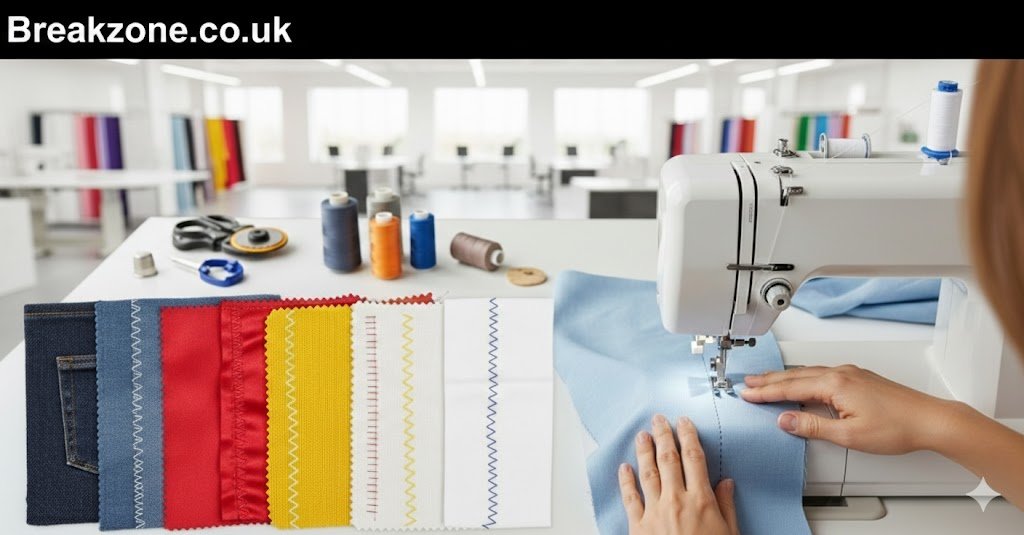
Nahttypen refer to the different seam and stitch constructions used in sewing to join fabric pieces securely and neatly. Each seam type serves a unique purpose, such as durability, flexibility, decoration, or finishing raw edges. Choosing the correct seam improves garment strength, comfort, and appearance. Understanding stitch structure, fabric compatibility, and finishing techniques helps beginners and professionals achieve clean, long-lasting, and professional sewing results in every project.
Sewing success depends heavily on selecting the right seam structure for the fabric, garment function, and durability needs. This guide explains how different stitch formations influence strength, stretch, appearance, and finishing quality. It also explores practical uses in clothing, home textiles, and professional tailoring. Readers will learn how to match seam construction with fabric weight, prevent fraying, improve comfort, and create polished finishes. Whether working by hand or machine, mastering proper seam choices leads to cleaner results, stronger garments, and more confident, efficient sewing.
Understanding the Purpose of Seam Construction
Seam construction forms the structural foundation of any sewn product, determining how fabric pieces connect, move, and endure wear. A well-chosen seam prevents tearing, controls fraying, and supports the garment’s intended function. Beginners often focus on appearance alone, but durability and flexibility are equally important. Professional sewing balances strength with comfort so the finished item feels smooth inside and looks refined outside. Learning the reasoning behind seam selection helps transform simple stitching into reliable craftsmanship suited for clothing, décor, and tailored designs.
Historical Development of Sewing Techniques
Traditional stitching methods evolved through centuries of handcraft before machines standardized production. Early garments relied on strong hand-formed seams designed for repair and reuse. Industrialization introduced faster mechanical stitches, enabling consistent quality and mass production. Despite technological progress, many classical seam ideas remain unchanged because they provide dependable strength and neat finishing. Modern sewing blends historical wisdom with efficient tools, allowing creators to produce garments that are both durable and aesthetically refined while maintaining time-tested structural integrity.
Fabric Behavior and Seam Compatibility
Different fabrics react uniquely to tension, heat, and movement, making compatibility essential when choosing seam styles. Lightweight textiles require delicate construction that avoids puckering, while heavy materials demand reinforced stitching for strength. Stretch fabrics benefit from flexible seams that move comfortably with the body. Ignoring fabric behavior often leads to distortion or breakage after washing and wear. Observing texture, thickness, and elasticity ensures the seam supports the material rather than fighting against it, resulting in smoother finishes and longer garment life.
Strength and Durability in Garment Construction
Durability depends on stitch density, thread quality, and seam layering. Areas exposed to stress—such as shoulders, side seams, and waistlines—need reinforced construction to prevent splitting. Double stitching or enclosed seams can dramatically increase lifespan without sacrificing comfort. Professionals test seam strength by gently pulling fabric sections to confirm resistance. Thoughtful reinforcement reduces repair needs and maintains garment shape through repeated use. Strong structural planning ultimately saves time, materials, and effort while improving the wearer’s confidence in the finished piece.
Clean Finishing for Professional Appearance
A garment’s interior finishing reflects the maker’s skill just as much as the exterior design. Smooth, enclosed edges prevent fraying and create a polished look associated with high-quality tailoring. Proper trimming, pressing, and alignment keep seams flat and comfortable against the skin. Even simple projects appear more refined when finishing techniques are applied carefully. Attention to these small structural details elevates sewing from basic assembly to professional craftsmanship that withstands inspection from both inside and outside perspectives.
Flexibility and Comfort in Wearable Design
Comfort depends on how seams respond to body movement. Rigid construction can restrict motion or cause irritation, while flexible stitching allows garments to stretch naturally. Sportswear, casual clothing, and fitted pieces particularly benefit from elastic-friendly seam structures. Placement also matters; smooth seams in sensitive areas prevent rubbing during extended wear. Designing with movement in mind ensures clothing feels as good as it looks, creating garments suitable for everyday use rather than only visual appeal.
Also read this: Who Is Burt Thicke? Biography, Family, Career, and Life Story
Machine Sewing Versus Hand Stitching
Both machine and hand methods offer unique advantages in seam creation. Machines provide speed, uniformity, and strong tension control, making them ideal for long structural seams. Hand stitching allows precision in delicate fabrics, repairs, and detailed finishing where machines may struggle. Skilled sewists often combine both approaches within a single project to achieve optimal results. Understanding when to switch techniques improves efficiency while preserving quality, ensuring each seam serves its functional and aesthetic role effectively.
Preventing Fraying and Fabric Damage
Raw fabric edges naturally unravel over time, especially after washing. Protective seam finishes shield fibers from friction and moisture, extending garment lifespan. Techniques such as folding, enclosing, or binding edges reduce loose threads and maintain neat structure. Choosing the right prevention method depends on fabric thickness and intended use. Consistent edge protection keeps clothing looking new for longer and reduces the need for frequent repairs, making sewing projects more sustainable and cost-effective.
Pressing Techniques That Improve Seam Quality
Pressing is often overlooked, yet it dramatically enhances seam appearance and accuracy. Heat and steam help stitches settle into fabric, flatten bulk, and sharpen edges. Proper pressing between construction steps ensures alignment stays precise throughout the sewing process. Using the correct temperature for each material prevents shine or distortion. Careful pressing transforms uneven stitching into crisp, professional structure, proving that finishing technique is just as important as stitching itself in achieving polished results.
Seam Placement and Garment Fit
Strategic seam placement shapes how clothing fits the body. Vertical seams can create a slimming visual line, while curved seams contour naturally around movement. Poor placement may cause pulling or discomfort even when stitching is technically correct. Designers plan seam direction alongside pattern structure to balance aesthetics and comfort. Understanding this relationship allows sewists to produce garments that not only hold together securely but also complement body shape and motion gracefully.
Decorative and Functional Stitch Details
Some seams serve decorative purposes while still maintaining structure. Visible topstitching, contrast thread, or textured finishes can enhance design without weakening durability. Functional beauty emerges when decoration aligns with garment purpose rather than distracting from it. Balanced design ensures embellishment supports longevity and usability. Combining structural reliability with visual interest allows creators to produce clothing that feels artistic yet remains practical for everyday wear.
Common Mistakes Beginners Should Avoid
New sewists frequently rush seam selection or ignore fabric testing, leading to puckering, weak joins, or uneven finishes. Skipping pressing steps and using incorrect thread tension also reduce quality. Measuring carefully, practicing on scrap fabric, and working patiently prevent most issues. Learning from mistakes is part of skill development, but awareness shortens the learning curve. Careful preparation ultimately produces smoother, stronger, and more professional results in every sewing project.
Tools That Improve Stitch Accuracy
Accurate seams rely on proper tools such as sharp needles, balanced thread, measuring guides, and stable cutting equipment. Dull or mismatched tools can damage fabric and create uneven stitching. Maintaining equipment ensures consistent performance and reduces frustration. Investing in reliable basics often improves results more than purchasing complex machines. Precision tools support confident sewing and allow creators to focus on craftsmanship rather than correcting avoidable errors.
Practical Applications in Everyday Sewing
From clothing repairs to home décor projects, seam knowledge applies across countless creative tasks. Curtains, cushions, uniforms, and tailored garments all rely on thoughtful seam construction. Understanding structural differences helps sewists adapt techniques to each project’s needs. Practical experience strengthens confidence and encourages experimentation with new designs. Over time, consistent practice transforms technical understanding into intuitive skill that supports both hobby sewing and professional work.
Mastering Nahttypen for Long-Lasting Results
True sewing mastery comes from understanding how structural seam choices influence durability, comfort, and visual quality. Careful planning, proper tools, and fabric awareness allow creators to produce garments that withstand regular use while maintaining refined appearance. Continuous learning and practice strengthen technique over time. By applying these principles, sewists achieve dependable, professional outcomes that elevate everyday projects into lasting, well-crafted pieces built for both function and beauty.
Conclusion
Developing strong seam knowledge transforms sewing from simple assembly into skilled craftsmanship. When structure, fabric behavior, durability, and finishing are carefully considered, garments become more comfortable, attractive, and long-lasting. Consistent practice and attention to detail allow steady improvement regardless of experience level. With patience and thoughtful technique, anyone can produce clean, reliable sewing results suitable for personal projects or professional standards.
FAQs
1. What does this sewing term mean?
It refers to structured ways of joining fabric pieces securely and neatly.
2. Why is seam choice important?
Correct selection improves durability, comfort, and overall garment appearance.
3. Can beginners learn professional stitching easily?
Yes, with practice, proper tools, and attention to fabric behavior.
4. Which fabrics need flexible seams?
Stretch and knit materials benefit most from movement-friendly construction.
5. Does pressing really make a difference?
Pressing improves accuracy, smoothness, and final professional finish.
6. Are decorative seams strong enough for clothing?
When designed correctly, they provide both beauty and durability.
7. How can sewing quality improve over time?
Regular practice, careful measurement, and learning from mistakes build lasting skill.
Fore more info: Breakzone.co.uk
