
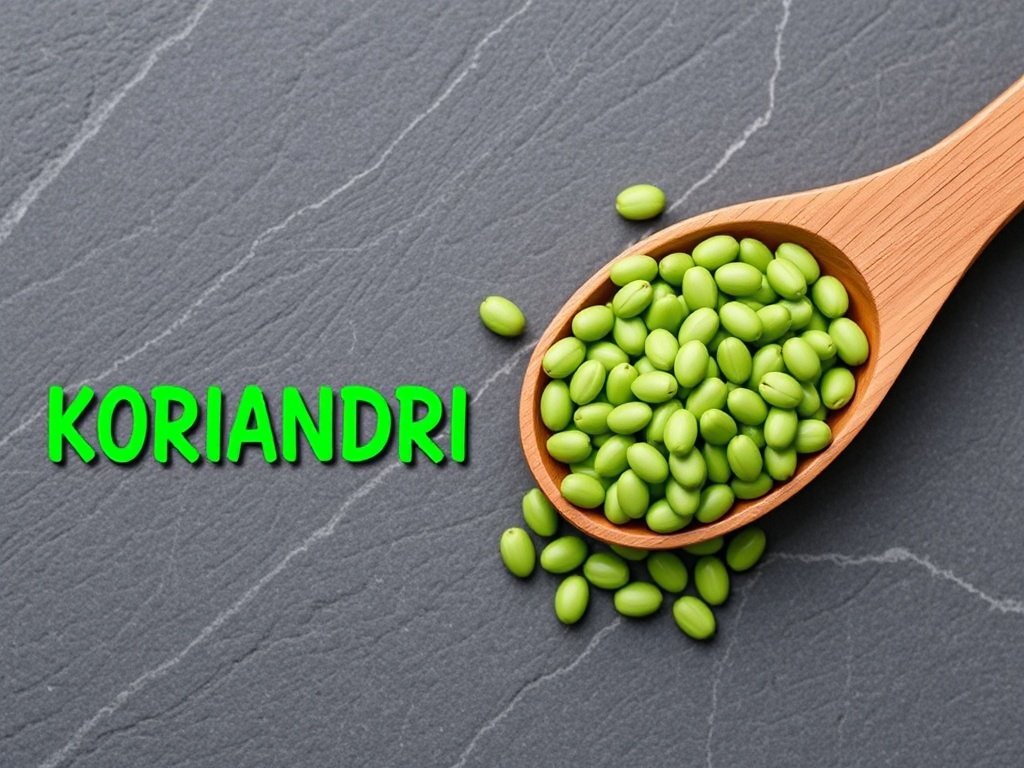
Koriandri, also known as coriander, is a versatile herb renowned for its digestive, anti-inflammatory, and antioxidant properties. Its leaves, seeds, and roots are widely used in cooking, herbal remedies, and wellness practices. Regular consumption can improve digestion, support immunity, and provide essential vitamins, making koriandri a natural, flavorful, and beneficial addition to daily diets.
Koriandri is more than just a culinary herb—it offers a wide range of health benefits while enhancing the flavor of dishes worldwide. From improving digestion and supporting immunity to reducing inflammation, this herb has been used for centuries in traditional medicine. Both its leaves and seeds carry unique nutrients, making koriandri a versatile ingredient in kitchens and natural remedies alike. This article explores everything you need to know about koriandri, including its uses, health benefits, nutritional value, and practical tips for incorporating it into daily life, providing a complete, easy-to-understand guide.
The Nutritional Profile of Koriandri and Its Health Advantages
Koriandri is rich in essential vitamins and minerals such as vitamin C, vitamin K, potassium, and dietary fiber. Its seeds contain natural antioxidants that help combat free radicals and promote overall wellness. Regular consumption supports healthy metabolism, strengthens the immune system, and can improve skin and hair health. Scientific studies suggest that koriandri’s combination of nutrients aids in reducing inflammation and supports cardiovascular health, making it a potent, natural addition to a balanced diet and daily routine.
How Koriandri Supports Digestive Health Naturally
Koriandri is widely recognized for its digestive benefits. The herb stimulates the production of digestive enzymes, easing bloating and discomfort. Its natural fiber content improves bowel movement regularity, while its anti-inflammatory compounds soothe the gastrointestinal tract. In traditional medicine, koriandri has been used to relieve stomach cramps and indigestion. Incorporating both fresh leaves and seeds into meals can create flavorful dishes that also enhance digestive efficiency, promoting better nutrient absorption and overall gut health naturally.
The Anti-Inflammatory Power of Koriandri for Daily Wellness
Inflammation can lead to chronic health issues, but koriandri contains compounds that help reduce swelling and oxidative stress. Its natural antioxidants work alongside anti-inflammatory agents to support joint health, skin wellness, and overall immunity. Regular use of koriandri in cooking or herbal teas can aid in minimizing inflammation-related discomfort. Research also suggests that koriandri can contribute to heart and brain health by moderating inflammatory responses, making it a practical, natural tool for maintaining long-term wellness.
Koriandri’s Role in Supporting Immunity and Fighting Illness
Koriandri strengthens the immune system through its high vitamin C and antioxidant content. These compounds boost white blood cell activity, helping the body fight infections effectively. Traditional practices use koriandri to alleviate cold and flu symptoms, supporting respiratory health. Consuming fresh leaves in salads or incorporating seeds into meals ensures a consistent intake of immune-enhancing nutrients. Its natural antiviral and antibacterial properties make koriandri a practical herb for promoting everyday wellness and reducing susceptibility to seasonal illnesses.
Culinary Uses of Koriandri in Global Cuisine
Koriandri is cherished for its distinctive aroma and flavor, enhancing a wide variety of dishes. Fresh leaves are commonly used in salads, salsas, and garnishes, while seeds are ground into powders for curries, sauces, and spice blends. Its versatility allows it to complement both savory and sweet preparations. Incorporating koriandri in cooking not only elevates taste but also delivers health benefits seamlessly. From Indian and Middle Eastern dishes to Latin American recipes, koriandri adds both flavor and nutrition to meals around the world.
Koriandri Seeds Versus Leaves: Differences in Nutritional Impact
While both seeds and leaves of koriandri offer health benefits, they differ in nutrient composition. Leaves are rich in vitamin K and antioxidants, supporting blood health and cellular repair. Seeds are higher in essential oils, which aid digestion and help regulate blood sugar. Understanding these differences helps in selecting the appropriate form for specific health goals. Using the herb in both forms can maximize its benefits, allowing a holistic approach to incorporating koriandri into culinary and medicinal practices.
Also read this: Who Called Me from 03316302561? Find Truth Now Easily
Koriandri in Traditional Medicine Practices
Historically, koriandri has been a staple in traditional medicine systems such as Ayurveda and Unani. It was used to treat digestive disorders, fevers, and skin conditions. Herbalists also valued it for its detoxifying properties and ability to improve appetite. Today, modern research validates many of these traditional uses, highlighting its role in promoting natural wellness. Incorporating koriandri into daily routines reflects a bridge between ancient wisdom and contemporary health practices, offering both practical and flavorful solutions for well-being.
The Antioxidant Benefits of Koriandri for Skin and Hair Health
Koriandri contains antioxidants that combat oxidative stress, helping maintain youthful skin and healthy hair. Vitamin C and polyphenols in the herb support collagen production, reduce premature aging, and enhance natural glow. Its antibacterial properties also assist in preventing skin infections and improving scalp health. Using fresh leaves in homemade masks or infusions can provide targeted benefits. Regular consumption of koriandri in meals ensures these protective compounds are absorbed internally, supporting overall beauty and wellness naturally.
Incorporating Koriandri Into Daily Diet for Maximum Benefit
Adding koriandri to everyday meals is simple and versatile. Fresh leaves can be sprinkled on soups, rice dishes, or sandwiches, while seeds can be roasted or ground into spice blends. Even teas infused with koriandri provide subtle flavor and medicinal effects. Regular use ensures a steady intake of its nutrients, contributing to digestive health, immunity, and anti-inflammatory support. Culinary creativity allows individuals to enjoy koriandri’s benefits in a natural, sustainable way without relying on supplements or processed alternatives.
How Koriandri Helps Regulate Blood Sugar Levels Naturally
Studies indicate that koriandri seeds may help maintain healthy blood sugar levels. Its natural compounds support insulin production and glucose metabolism, making it beneficial for individuals managing diabetes. Regular inclusion of koriandri in meals, especially seed extracts or powders, can aid in balancing blood sugar while enhancing flavor. Combining dietary practices with lifestyle management optimizes these effects, turning koriandri into a valuable ally for metabolic health and overall well-being in a natural, accessible form.
Koriandri as a Natural Detoxifying Agent
Koriandri’s cleansing properties help remove toxins from the body efficiently. Its antioxidant and diuretic effects support liver and kidney function, promoting detoxification. Herbal teas or dishes containing koriandri stimulate metabolic processes, aiding in the removal of heavy metals and impurities. Incorporating it regularly into diets ensures ongoing support for internal cleansing. Its dual function as a flavorful culinary ingredient and natural detox agent makes koriandri an indispensable component of holistic health practices aimed at maintaining long-term vitality.
The Role of Koriandri in Mental and Cognitive Health
Emerging research suggests that koriandri may contribute to cognitive wellness. Its antioxidant compounds reduce oxidative stress in the brain, potentially improving memory and mental clarity. Traditional medicine also associates koriandri with stress relief and mood enhancement. Consuming fresh leaves or seeds in regular meals may support cognitive functions and overall mental well-being. While not a replacement for medical treatments, koriandri can complement a balanced lifestyle focused on mental health, offering subtle but meaningful benefits for everyday cognitive performance.
Koriandri Safety, Consumption Tips, and Possible Side Effects
Koriandri is generally safe for most individuals when consumed in culinary amounts. However, excessive intake of seeds may cause mild digestive discomfort in sensitive individuals. Pregnant or breastfeeding women should consult healthcare providers before using concentrated forms. To maximize benefits, use fresh leaves or properly roasted seeds. Gradual incorporation into meals ensures tolerance and effectiveness. Understanding its safe use allows individuals to enjoy koriandri’s flavor and wellness properties without risk, making it a versatile and practical herb for daily consumption.
Conclusion: Unlocking the Full Potential of Koriandri
Koriandri is a powerful, multi-purpose herb offering culinary delights and health advantages. Its nutritional richness supports digestion, immunity, and anti-inflammatory responses while enhancing flavor in dishes worldwide. Both traditional and modern practices recognize its role in wellness, detoxification, and overall vitality. Incorporating koriandri into daily life ensures a natural approach to health, blending taste, science, and practicality. From fresh leaves to aromatic seeds, koriandri remains a timeless ingredient that nourishes the body, mind, and palate alike.
FAQs (People Also Ask)
1. What is koriandri and why is it beneficial?
Koriandri is a versatile herb used in cooking and medicine. It offers digestive, anti-inflammatory, and antioxidant benefits.
2. Can koriandri help with digestion?
Yes, koriandri stimulates digestive enzymes, reduces bloating, and supports regular bowel movements.
3. Are coriander leaves and seeds different in benefits?
Leaves are rich in vitamins and antioxidants, while seeds aid digestion and regulate blood sugar.
4. How can I use koriandri in cooking?
Fresh leaves can garnish dishes, and seeds can be ground into spice blends or added to curries.
5. Is koriandri safe for everyone?
Generally, yes. Excessive seed intake may cause mild discomfort, and pregnant women should consult a doctor.
6. Can koriandri support immunity?
Yes, it boosts immunity through antioxidants and vitamin C, helping fight infections naturally.
7. Does koriandri help with inflammation?
Koriandri contains compounds that reduce inflammation, supporting joint, heart, and overall health.
Fore more info: Breakzone.co.uk
