
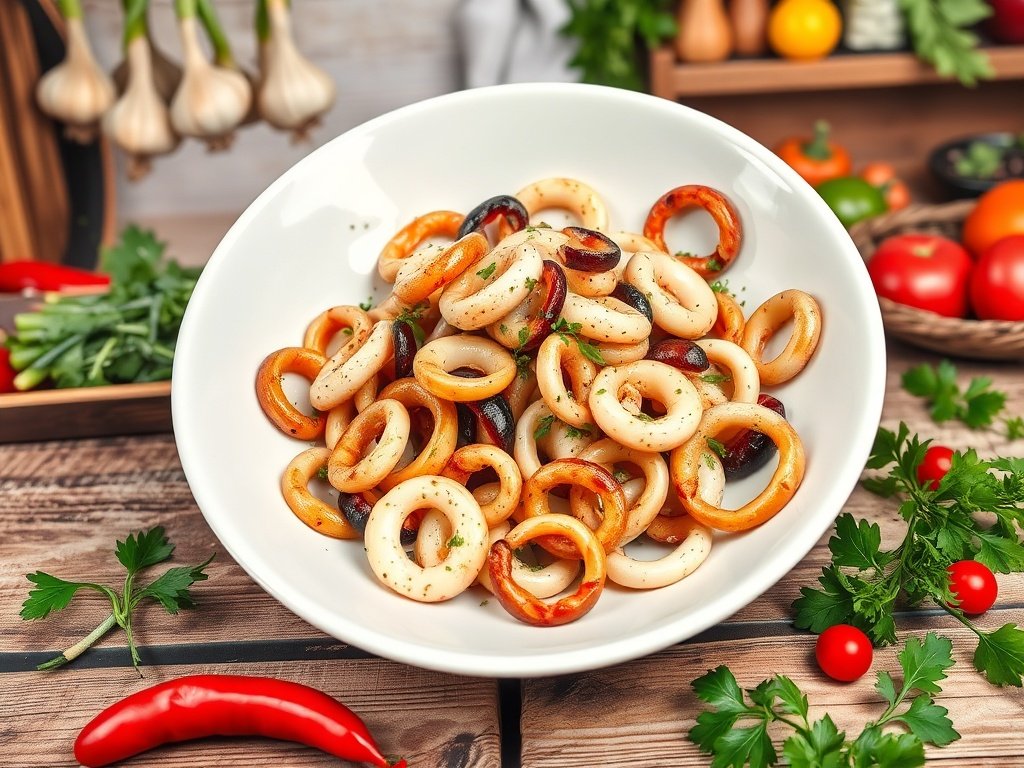
Calamariere is believed to be a Mediterranean-style squid preparation rooted in coastal culinary traditions. It typically features fresh squid cooked with olive oil, garlic, herbs, and citrus elements to enhance natural seafood flavors. Known for its tender texture and balanced seasoning, this dish reflects the simplicity and freshness that define Mediterranean cuisine.
Calamariere represents a refined approach to preparing squid within Mediterranean coastal kitchens. Built around fresh seafood, high-quality olive oil, aromatic herbs, and gentle cooking methods, it highlights natural ocean flavors rather than heavy sauces. This article explores its historical roots, ingredient profile, preparation techniques, cultural significance, and nutritional value. You will also discover how coastal regions influenced its evolution and why it remains popular in modern seafood dining. From traditional cooking secrets to serving suggestions, this comprehensive guide provides practical insights for food enthusiasts who want to understand and appreciate this Mediterranean seafood specialty at a deeper level.
Introduction to Calamariere
Understanding the Mediterranean Squid Tradition
Calamariere is often associated with coastal Mediterranean food culture, where seafood forms the backbone of everyday meals. Squid, commonly known as calamari, has long been valued for its delicate texture and mild flavor. Coastal communities perfected simple cooking techniques that preserve freshness while enhancing taste. This preparation style emphasizes balance rather than overpowering spices. By combining olive oil, fresh herbs, citrus zest, and light seasoning, the dish captures the sea’s natural essence while remaining elegant and approachable for modern seafood lovers.
Historical Roots of the Dish
Coastal Origins and Culinary Evolution
Mediterranean civilizations such as those in Southern Europe developed seafood-based diets centuries ago. Fishing communities relied on daily catches, including squid, to prepare nourishing meals. Over time, regional influences shaped cooking styles, blending herbs, oils, and grilling methods. Traditional recipes evolved through family kitchens, where techniques were passed down generations. This historical layering created a preparation style that values freshness and restraint. The evolution reflects not only resource availability but also cultural respect for ingredients sourced directly from the sea.
Key Ingredients That Define the Flavor
Freshness as the Core Principle
The primary ingredient is fresh squid, cleaned carefully to maintain tenderness. Extra virgin olive oil provides richness without heaviness. Garlic adds aroma, while parsley and oregano introduce herbal brightness. Lemon juice balances the natural sweetness of seafood with subtle acidity. Some variations incorporate mild chili flakes for warmth. The ingredient list remains short by design, reinforcing Mediterranean culinary philosophy. Quality matters more than complexity, and the harmony between oil, herbs, and seafood defines the signature taste profile.
Traditional Cooking Techniques
Achieving Tender Texture Without Overcooking
Squid requires precise cooking time. When exposed to heat too long, it becomes rubbery; when cooked quickly, it remains tender. Mediterranean chefs typically grill or sauté it over medium-high heat for only a few minutes. This fast technique seals in juices while preserving softness. Some regions prefer slow braising in tomato-based sauces for a richer version. Regardless of method, careful timing ensures the final result remains delicate, flavorful, and balanced without overwhelming the palate.
Regional Variations Across the Mediterranean
Differences in Preparation Styles
Different coastal regions adapt the dish according to local preferences. Southern Italian kitchens may emphasize lemon and parsley, while Spanish variations sometimes include smoked paprika. Greek-inspired styles often pair squid with oregano and olive oil, highlighting simplicity. North African coastal influences might introduce mild spices and tomato accents. These regional interpretations demonstrate flexibility while maintaining core seafood fundamentals. Despite subtle differences, each version celebrates freshness and the cultural connection between land and sea.
Nutritional Value and Health Benefits
Lean Protein with Essential Nutrients
Squid is naturally low in fat and rich in high-quality protein. It also contains important nutrients such as vitamin B12, selenium, and omega-3 fatty acids. When prepared with olive oil and herbs instead of heavy batter or deep frying, the dish remains light and heart-friendly. Mediterranean diets are often praised for promoting cardiovascular health, partly due to seafood consumption. Incorporating this style of squid preparation into balanced meals can support overall nutritional goals while delivering satisfying flavor.
Also read this: Dr. Steven Cobery: Leading Neurosurgeon Transforming Modern Brain Care
Flavor Profile and Sensory Experience
Balancing Sweetness, Saltiness, and Citrus Notes
The taste is mild yet distinctive. Squid carries a gentle sweetness enhanced by sea salt. Olive oil contributes smooth richness, while garlic offers depth. Lemon juice introduces brightness, cutting through the natural oils. Fresh herbs add fragrance and subtle bitterness, creating complexity. The final experience is clean, not heavy. Texture plays a vital role; properly cooked squid should feel tender but slightly firm. This balanced sensory combination explains its enduring popularity in seafood cuisine.
Modern Culinary Interpretations
From Rustic Kitchens to Fine Dining
Contemporary chefs reinterpret calamariere in upscale restaurants, plating it creatively with microgreens, infused oils, or vegetable purées. While presentation evolves, core flavors remain intact. Modern gastronomy often emphasizes sustainability, sourcing squid responsibly to protect marine ecosystems. Fusion adaptations sometimes blend Asian-inspired marinades or Mediterranean tapas formats. These innovations maintain authenticity while appealing to global palates. The adaptability of the dish allows it to remain relevant in both traditional taverns and contemporary dining spaces.
Pairing Suggestions for Complete Meals
Ideal Side Dishes and Beverages
Light side dishes complement seafood without overpowering it. Grilled vegetables, herbed rice, or crusty artisan bread enhance texture contrast. Fresh salads with tomatoes and cucumbers align with Mediterranean flavor harmony. Sparkling water with lemon or a crisp white beverage balances richness. The goal is simplicity. Side elements should enhance natural seafood qualities rather than dominate the plate. Balanced pairings create a cohesive meal experience rooted in coastal traditions.
Cultural Significance in Coastal Communities
More Than Just a Meal
In many seaside regions, seafood dishes represent community, celebration, and daily life. Fishing traditions shape local economies and family gatherings. Preparing squid-based meals often connects generations through shared recipes. Festivals and local markets highlight seasonal catches, reinforcing cultural identity. Beyond taste, the dish symbolizes sustainability and respect for marine resources. Its preparation reflects patience, skill, and appreciation for nature’s offerings, making it culturally meaningful beyond simple nutrition.
Common Cooking Mistakes to Avoid
Preventing Rubbery Texture and Flavor Loss
Overcooking is the most frequent mistake. Extended heat toughens squid fibers, resulting in chewiness. Insufficient cleaning may affect taste and texture. Using excessive seasoning can mask delicate flavors. Another error involves overcrowding the pan, which causes steaming instead of searing. Maintaining proper heat control ensures optimal texture. Attention to detail during preparation makes a significant difference. Simple corrections in technique can elevate the dish from average to exceptional.
How to Select Fresh Squid
Signs of Quality and Freshness
Fresh squid should have a clean ocean scent, not a strong fishy odor. The body should appear firm and slightly glossy. Eyes must be clear rather than cloudy. When touched, the flesh should bounce back gently. Purchasing from reputable seafood vendors increases quality assurance. Proper storage in refrigeration and quick usage preserve texture. Selecting premium ingredients directly impacts final flavor, reinforcing the Mediterranean principle that quality drives excellence.
Sustainability and Ethical Sourcing
Protecting Marine Ecosystems
Sustainable fishing practices ensure long-term marine balance. Responsible sourcing avoids overfishing and protects biodiversity. Many Mediterranean regions now promote regulated fishing seasons and environmentally friendly methods. Consumers increasingly seek traceable seafood options to support ethical practices. Choosing sustainably harvested squid contributes to ocean preservation. Culinary enjoyment and environmental responsibility can coexist when informed decisions guide ingredient selection.
Why It Remains Popular Today
Timeless Appeal in Modern Diets
Interest in Mediterranean-style eating continues to grow worldwide. People value fresh ingredients, balanced nutrition, and simple preparation methods. The dish fits modern lifestyles by being quick to cook yet elegant enough for gatherings. Its adaptability across cuisines ensures continued relevance. As global awareness of healthy seafood rises, traditional squid preparations maintain their place in contemporary kitchens.
Conclusion
Calamariere embodies the essence of Mediterranean seafood cooking: simplicity, freshness, and respect for natural flavors. Rooted in coastal traditions yet adaptable to modern dining, it balances nutrition with taste. Through careful ingredient selection and proper technique, anyone can appreciate its delicate texture and vibrant aroma. Its enduring popularity reflects a timeless culinary philosophy that values quality over complexity and celebrates the connection between sea and table.
FAQs
1. What is calamariere made of?
It primarily includes fresh squid, olive oil, garlic, herbs, and lemon.
2. Is calamariere healthy?
Yes, when grilled or sautéed lightly, it offers lean protein and beneficial nutrients.
3. How long should squid be cooked?
Typically 2–3 minutes on high heat to maintain tenderness.
4. Can calamariere be prepared in advance?
It is best served fresh, though ingredients can be prepped earlier.
5. What does calamariere taste like?
It has a mild, slightly sweet seafood flavor with citrus and herbal notes.
6. Is calamariere fried?
Traditional versions are grilled or sautéed rather than deep-fried.
7. Which cuisine does calamariere belong to?
It is associated with Mediterranean coastal culinary traditions.
Fore more info: Breakzone.co.uk
